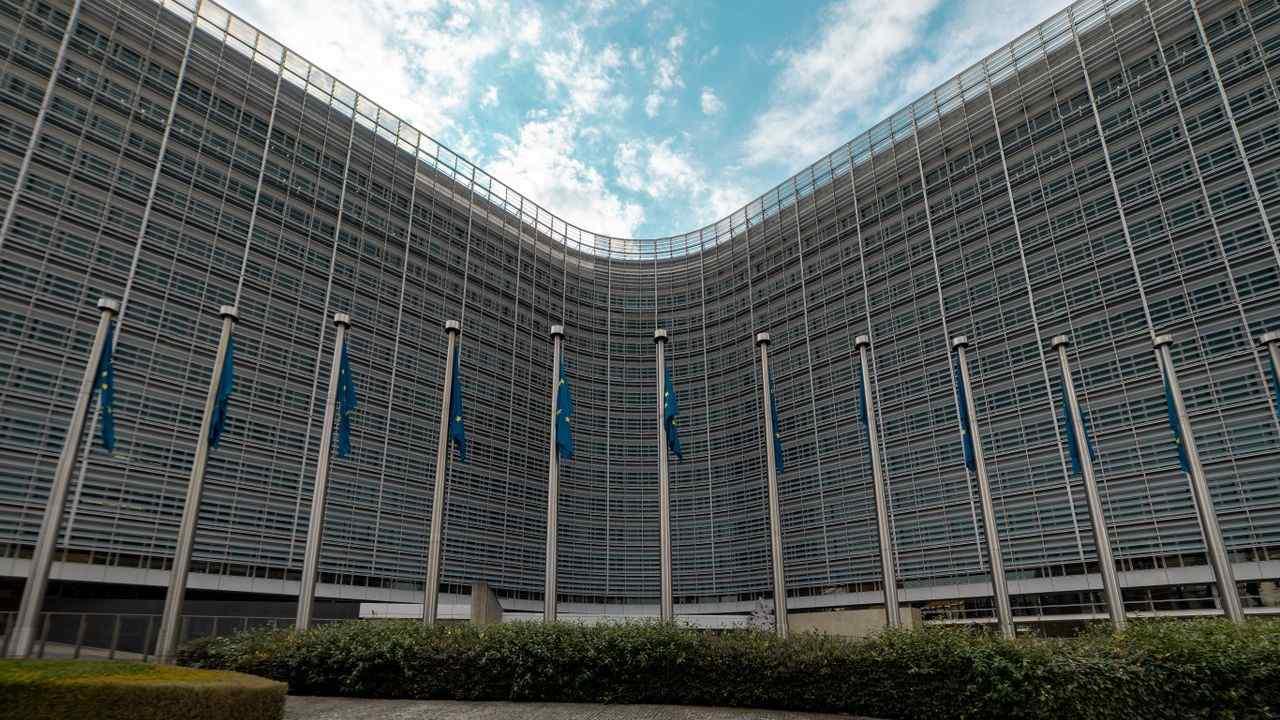
The European Commission has adopted a proposal for a new Regulation to overhaul the European Union’s public procurement rules, replacing the bloc’s three existing directives with a single, directly applicable law and giving governments new scope to favour European suppliers.
Public procurement accounts for around 15 per cent of the EU’s GDP, or about €2.5 trillion in 2025 according to Reuters, covering contracts across transport, energy, health care and other public services. The Commission says the reform should deliver administrative savings of €650 million a year and help complete the Single Market for public buying.
Companies bidding for tenders have long complained about a maze of different templates, languages and duplicated requirements across the EU’s 27 jurisdictions, according to Reuters. The new Regulation would replace five current procurement procedures with three, and let authorities negotiate directly with bidders, changes Commission Executive Vice President Stéphane Séjourné described as “a radical simplification, as we are moving from three directives to a single regulation.”
A new EU wide digital platform would let firms register once and submit tenders across all Member States, rather than repeating the process for every contract. Reuters reported the system would include electronic business credentials and shared procurement data spaces, with Séjourné calling it “a very simple solution for businesses and SMEs alike.”
The proposal will now go to the European Parliament and the Council of the European Union for negotiation before it can be adopted and enter into force
The proposal would also make quality, rather than price alone, the main basis for awarding contracts, with quality criteria worth at least 30 per cent of the score, rising to 50 per cent for labour-intensive contracts. Reuters said the change was designed partly to make it harder for authorities to award contracts largely on cost, countering cheap goods, including from Chinese firms, that may be subsidised.
The rules would also allow, without requiring, authorities to exclude bids with less than 50 per cent European content by value, restrict some contracts to EU operators only, or favour European firms in strategic sectors, according to Reuters, though countries with reciprocal trade arrangements with the EU would not be excluded. All sectors except defence would be covered. The Commission says the measures respond to recommendations in the Draghi and Letta reports, which identified procurement as a strategic tool for strengthening European industry.
Séjourné said the reform reflected wider competitive pressure, telling Reuters that “China, India, the United States and all the major powers are now using this lever for their own industrial and economic strategies.” Reuters also reported that procurement features in a separate initiative proposed the same day, the European Innovation Act, aimed at boosting demand for new innovations through public investment.
“Europe spends hundreds of billions of euros through public procurement every year. This money must work harder for Europe,” Séjourné said, adding that the reform would cut bureaucracy, give buyers more flexibility and make it easier for SMEs to compete across the Single Market.
The proposal will now go to the European Parliament and the Council of the European Union for negotiation before it can be adopted and enter into force.