The US Environmental Protection Agency (EPA) and the US Department of the Army have announced a Supplemental Notice of Proposed Rulemaking, opening a further public comment window on additional regulatory language for defining “waters of the United States” (WOTUS). The new options will be considered alongside the agencies’ 2025 proposed rule.
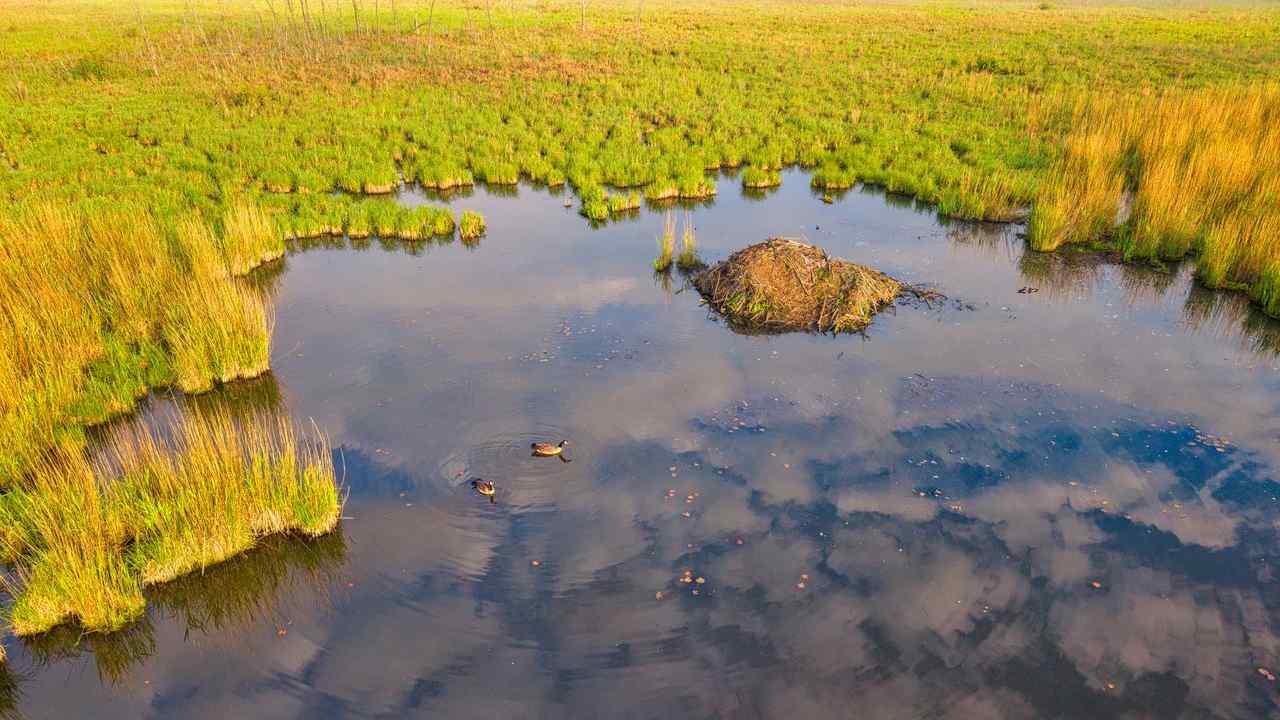
Wetlands help filter drinking water for many communities and provide habitat for birds, fish and other wildlife. The Clean Water Act established federal protections against the pollution and destruction of waters covered by the WOTUS definition. Reporting by the New York Times has described the supplemental proposal as more sweeping than the version put forward in November 2025, which would already have narrowed protections for wetlands nationwide.
Under the Clean Water Act, companies and individuals generally need a federal, state or Tribal permit before discharging pollutants into protected waters. A separate permit from the US Army Corps of Engineers is generally required before discharging dredged or fill material, such as sand, silt or construction debris. The WOTUS definition determines which waters are covered by these federal permit requirements.
Wetlands help filter drinking water for many communities and provide habitat for birds, fish and other wildlife
According to the EPA, the step reflects the agencies’ commitment to “radical transparency” and to producing a durable final WOTUS definition that follows the Supreme Court’s direction in Sackett v. EPA, reduces regulatory complexity and protects water quality while recognising the role of states and Tribes in managing their own water resources. The agencies say the supplemental proposal will allow them to evaluate a wider range of options as they work towards a final rule implementing the Supreme Court’s 2023 Sackett decision.
Once finalised, the EPA says the rule is intended to give landowners, farmers, ranchers, energy producers, technology firms, developers and small businesses greater predictability. Waters outside federal jurisdiction would remain subject to applicable state, Tribal and local laws, although the extent of those protections varies by jurisdiction. The New York Times reported that the plan would be welcomed by farmers, ranchers and rural landowners who have long argued that existing federal protections infringe on their property rights.
EPA Administrator Lee Zeldin said, “The EPA’s goal is a durable WOTUS definition that follows the law and ends burdensome regulatory uncertainty. Today’s action reflects our continued commitment to transparency and public input, ensuring we have fully considered a wide range of potential policy options. We look forward to public feedback on this supplemental notice, which will help strengthen the real-world expertise behind the final rule.”
Adam Telle, who made his statement in his capacity as Assistant Secretary of the Army for Civil Works and was subsequently appointed acting Army secretary, said the agencies were working to ensure the rule “faithfully adheres to Sackett” and provides a clearer articulation of federal jurisdiction under Section 404 of the Clean Water Act. He added that the Army Corps of Engineers “stands ready to implement this rule once final.”
President Trump appointed Telle as acting Army secretary on 3 September 2026, succeeding Daniel P. Driscoll. The New York Times reported that Driscoll resigned after repeated clashes with Defense Secretary Pete Hegseth.
The EPA states that public engagement has been featured throughout the process, including a public recommendations docket, listening sessions and pre-proposal consultations with Tribes, states and local governments ahead of the 2025 proposed rule. The 2025 proposal drew more than 220,000 public comments during a 45-day comment period that closed on 5 January 2026.
The agencies say the supplemental proposal offers a further opportunity to consider a limited number of new regulatory alternatives without excluding options already on the table or predetermining the final rule. Once published in the Federal Register, the supplemental proposal will be open for a 30-day public comment period.
The proposal has drawn strong criticism from the Natural Resources Defense Council (NRDC). The organisation said one of the principal options under consideration would remove Clean Water Act protections from most of the country’s wetlands and streams, generally protecting only waters that flow every day of the year and wetlands that are permanently flooded.
NRDC says its own analysis of scenarios considered by the administration found that at least 94 per cent of wetlands in the continental United States would be at risk of pollution or destruction under the proposal. It said the proposal also targets streams that do not flow year-round, which account for about 79 per cent of streams in the continental United States. NRDC argues that the proposed changes go further than the Sackett ruling itself.
NRDC describes the supplemental proposal as the administration’s second attempt to narrow Clean Water Act protections
Jon Devine, director of freshwater ecosystems at NRDC, said, “What the Supreme Court did in its Sackett decision was an inexcusable assault on clean water. Communities and wildlife will pay the price until Congress fixes it. The Trump administration’s answer has been to make a bad situation worse. This proposal declares open season on the nation’s waterways. It denies federal protection to virtually all wetlands and more than three-quarters of our streams, endangering drinking water supplies and flood-prone communities, and the agencies admit it themselves. The proposal would virtually eliminate protection for freshwater wetlands. Their own analysis says most streams would lose protection, with the West hit hardest.”
NRDC describes the supplemental proposal as the administration’s second attempt to narrow Clean Water Act protections, following a November 2025 proposal that it says drew broad opposition.
According to NRDC, one of the options in the supplemental proposal would protect only “perennial” waters that flow every day of the year under ordinary conditions, allowing a single interruption of no more than 30 consecutive days annually. Under this interpretation, wetlands would be protected only where perennial surface water continuously connects them to a protected water body, and only the portion of a wetland deemed “indistinguishable” from that water would remain covered.
As with the 2025 proposal, the public will have 30 days to comment once the supplemental rule is published in the Federal Register.