Following a rapid period of growth for Scottish water technology firm RSE Group, the economic consultancy SQW has quantified its substantial UK impact.
In 2024/2025, RSE Group drove £280.7m of gross value added (GVA) to the UK economy. Over the same period, it generated sales of £307m, whilst directly employing 1,718 people in 31 locations.
Nearly a third of employees (31%) live in the Highlands, which is where the Group is headquartered at Muir of Ord. 61% of employees live in Scotland and the remainder (39%) are based elsewhere in the UK.
The Group also has a range of positive indirect impacts – spending over £135m with UK suppliers in the period assessed, with almost a third (32%) from suppliers in Scotland. This spending supports a broad UK supply chain, backing the businesses and capabilities vital for the delivery of critical national infrastructure.
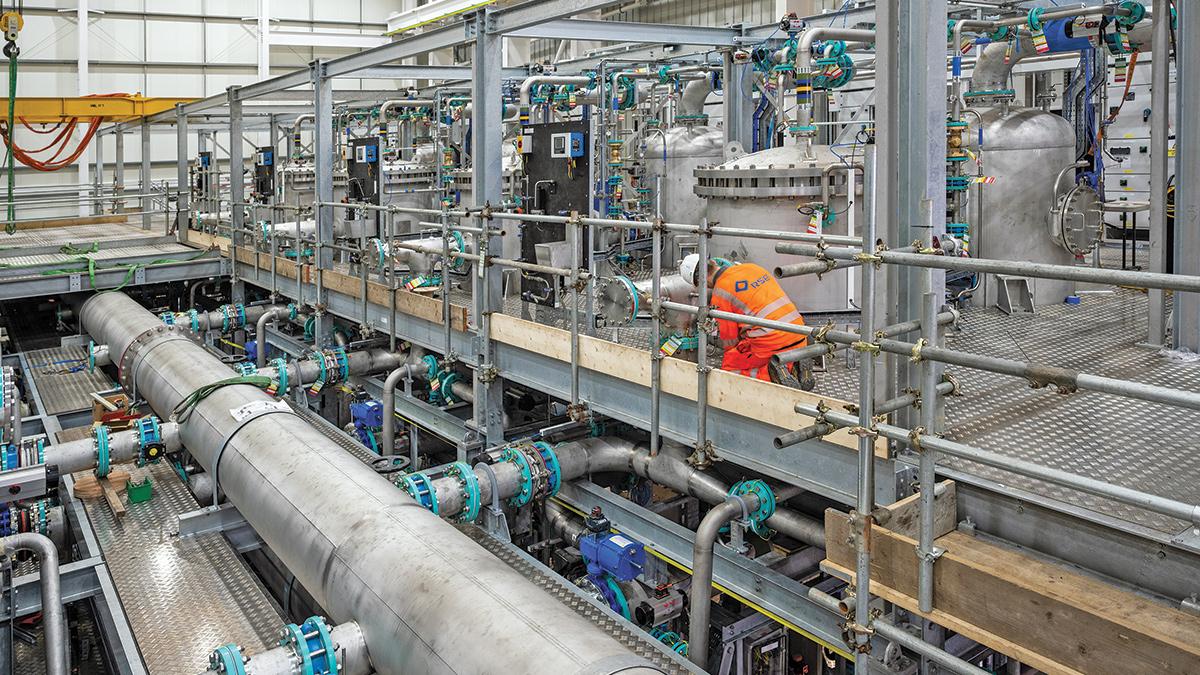
A wider indirect impact is that its modular treatment plants drive an 85% reduction in CO₂ emissions over traditional solutions.
All told, its GVA extends to £141.1m in Scotland, with 1,648 jobs supported. For the UK as a whole, this figure rises to 3,327 jobs supported. The salaries RSE pays are, on average, higher than Scottish and UK averages.
The company also currently employs around 105 apprentices across the UK, with approximately 90% based in Scotland. Around 30 apprentices are taken on each year, with a 90% retention rate.
Innovation’s role in growth
In a highly regulated sector, innovation has underpinned RSE’s rapid growth over recent years. In 2023, the company set up an Innovation Hub at its Muir of Ord headquarters and committed to a three year £14m programme of R&D investment, which was supported by an additional £2.8m in funding from Highlands and Islands Enterprise.
This programme has been a strategic investment by the company, and RSE reinvests 10% of annual profits into accelerating the development and adoption of transformative, sustainable water treatment technologies.
The Hub has a core team of five staff and focuses on researching, designing and developing innovative water treatment solutions for worldwide commercialisation. The company has registered one patent, another one pending and a further four others in progress.
The challenge of Scotland’s varied skills profile
The report found that skills levels also vary considerably across Scotland, which has a knock-on impact for employers – especially those with multiple locations and technical roles. Edinburgh has the highest proportion of working-age residents qualified to NVQ4+/RQF4+ level (70.6%), while North Lanarkshire has the lowest (46.5%) and the highest share of residents with no qualifications (9.3%).
Highland impact
RSE delivered £65.5m in GVA and supported 744 jobs in the Highlands, with the average salary standing 28% higher than the local average. The report also found that, due to lower levels of productivity in the regions, it is important to maintain and grow large high value employers. Similarly, with depopulation a continuing concern, it is vital that employers in the Highlands and Islands grow and provide employment opportunities for local people.
Steve Slessor, CEO of RSE, said: “A degree of RSE’s success still goes below the radar, but this report confirms the scale of the Group’s positive economic impact right across the UK. Innovation is at the heart of this, and our modular approach to water treatment, using filtration technologies like ceramic membrane technology, means we save our clients time, money and CO₂, whilst maintaining the highest quality standards.
“We are proudly Highland-headquartered, but our impact stretches far beyond that. As we grow, we are creating opportunities for our own people and the wider UK supply chain – supporting jobs, skills and investment across the country. We want to continue building that capability here in the UK to take Scottish engineering and innovation to international markets. Despite the skills challenges identified in the report, we will continue to seek out the best people to drive towards our ambitious targets.”