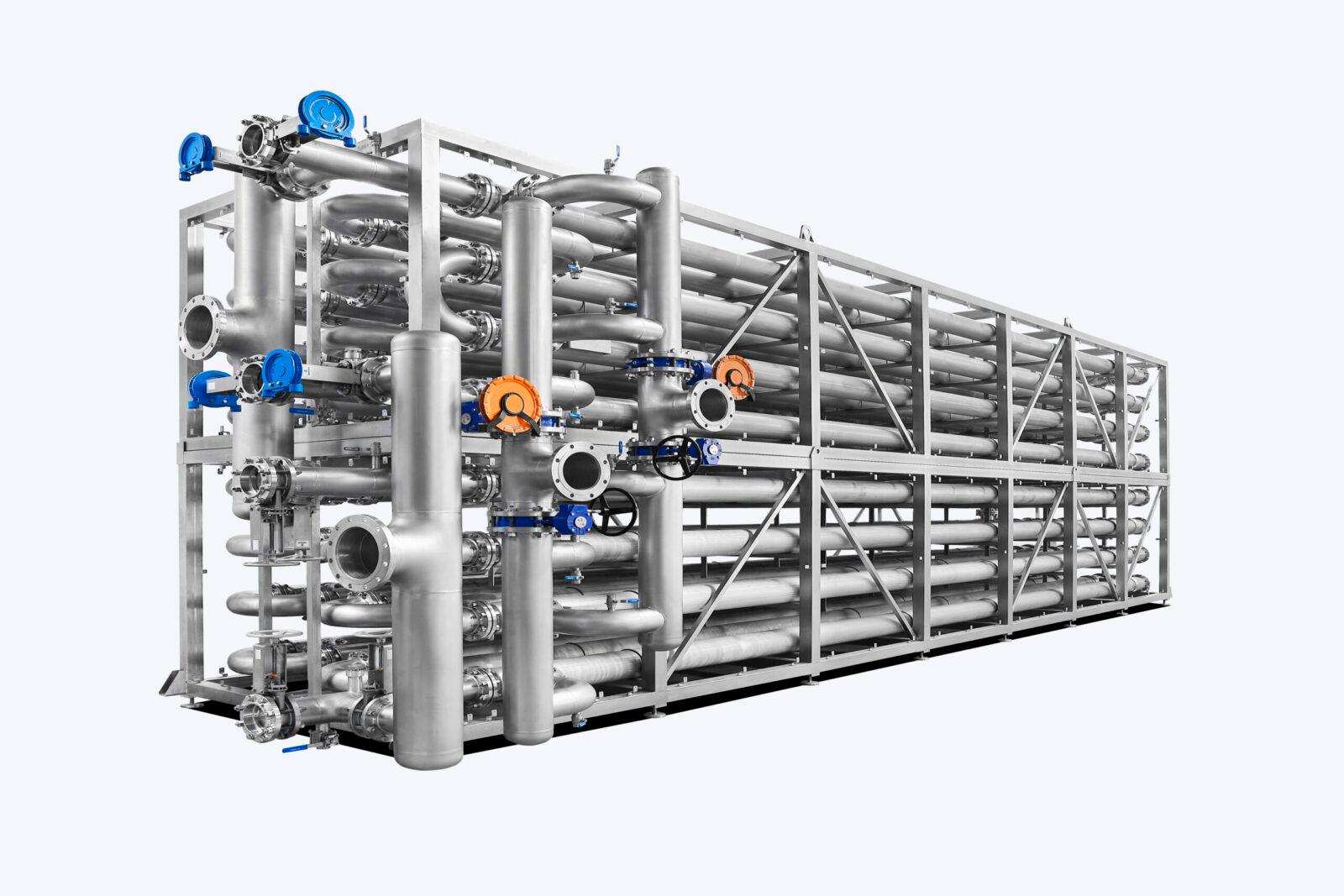
Central to many of these processes is a single piece of equipment on which operational success depends: the heat exchanger. Efficient heat transfer underpins everything from pasteurisation and evaporation to energy recovery, making the right choice of equipment central to the economics and sustainability of any facility.
Yet choosing the right heat exchanger for these applications is far from straightforward. Organic waste streams vary widely in composition, solids content and rheological behaviour, meaning the same class of material can behave very differently depending on its origin and pre-treatment history. Get the selection wrong, and the consequences include excessive fouling, reduced efficiency and costly downtime. Get it right, and a well-chosen heat exchanger becomes a reliable workhorse that supports continuous, efficient operation for years.
With differences in the composition of sludge and wastewater streams, choosing the right heat exchanger for the right material is vital
Heat exchangers are key components in many processes in the wastewater, anaerobic digestion and waste treatment sectors, including heating, pasteurisation and evaporation. With so many differences in the composition of sludge, digestate, manure and wastewater streams, choosing the right heat exchanger for the right material and the right process is vital.
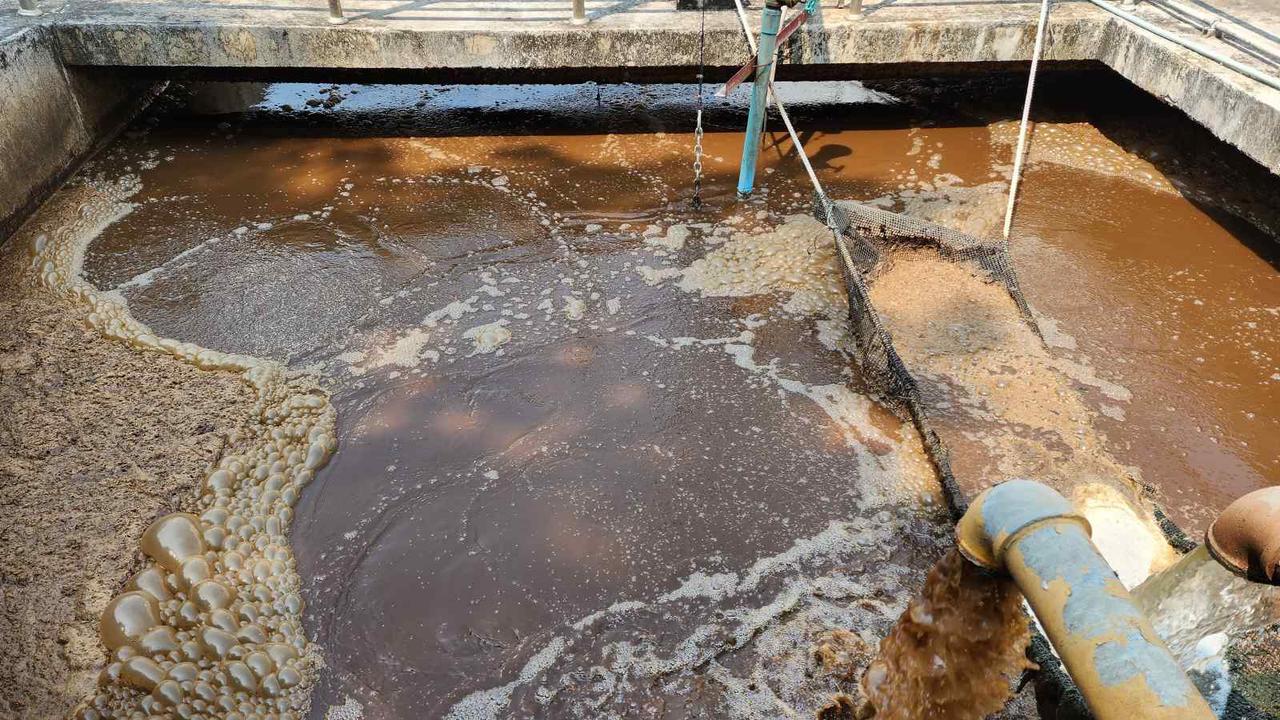
The high viscosity of most organic waste streams means that they require more energy to pump and move, and often have a higher potential to foul pipework and heat exchangers, reducing heat transfer and operational efficiency.
What is meant by viscosity?
When considering different sorts of sludges, it is useful to clarify what we mean by viscosity. It is normally defined as a measure of a substance’s resistance to motion under an applied force, based on the amount of force required to remove one layer in relation to another (shear stress) and the change in speed of the layers relative to each other (the shear rate). It is measured in units called centipoise (cP), with one cP being equal to 1 mPa sec-1 (millipascal per second).
When linked to an on-site CHP plant, the DCS is wholly self-sufficient – no energy or water is brought in or wasted, and everything is reused
As you would expect, the viscosity of sludges and digestates increases as the solids content rises and also depends on temperature. As an example, a sewage sludge with 2% solids may have a viscosity of 5 cP, while a similar material with 10% solids can be 50 cP. The high variability of these materials means that example values are of little use, but liquid manures can be anywhere from 20 cP at 2.5% total solids (TS), up to 500 cP at 12% TS.
However, the viscosity of different materials can change as they are subjected to different levels of sheer stress and temperature. Because of this, most fluids are classified as being either Newtonian or non-Newtonian. Newtonian fluids have the same viscosity irrespective of changes in temperature or shear stress – the most common example of this is water. Non-Newtonian fluids (which can then be subdivided into five different categories) have viscosities which fluctuate depending on the shear rate applied.
In practice, this means that when dealing with non-Newtonian products (such as some sludges and slurries), elements of the processing operation – including pumping, heating, cooling and passing through pipework – all have the potential to affect the waste stream’s viscosity and handling requirements.
Corrugated tube heat exchangers: design & selection
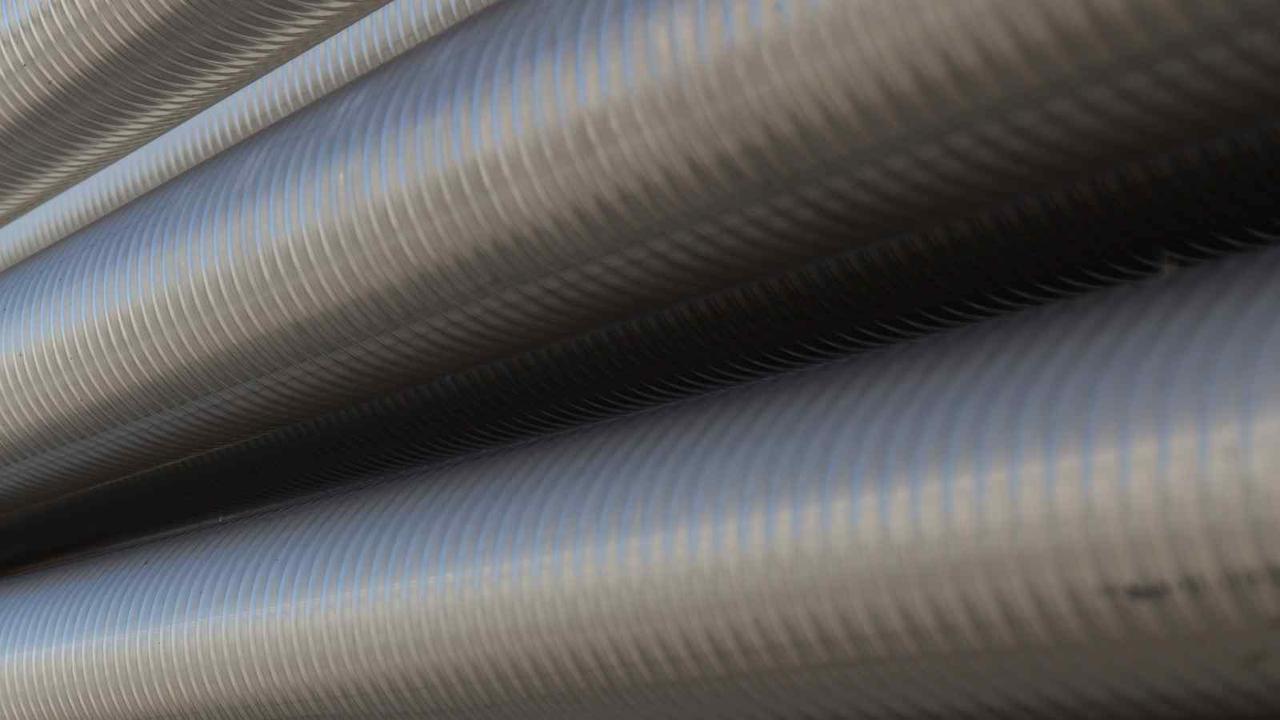
Choosing the correct type of heat exchanger, together with careful system design, helps avoid such problems. Corrugated tube heat exchangers, such as those designed and produced by HRS, ensure that viscous materials can be processed efficiently as the corrugated tube design helps minimise fouling, increasing thermal efficiency during operation, and extending operational periods between cleanings. In addition, corrugated tube heat exchangers have a lower pumping requirement than smooth tube heat exchangers due to their compact nature, which results in a lower pressure drop. This helps to increase operational life while reducing maintenance costs compared with other types of heat exchangers.
Where sludge has a relatively low viscosity but contains suspended solids, a double-tube heat exchanger, like the HRS DTI Series, is likely to be suitable. In a double-tube heat exchanger, one large tube carries the product, so there is less chance of blockages and fouling by any particles contained in the sludge. In addition, the HRS DTIR Series has a design specifically adapted for energy recovery from low viscosity sludges and features a removeable inner tube to aid cleaning and inspection.
Scraped surface heat exchangers for the toughest challenges
For the most viscous materials, the use of corrugated tubes will not be sufficient to prevent fouling or maintain movement through the exchanger. In these cases, scraped surface heat exchangers (SSHEs) are ideal, particularly for evaporation.
For the most viscous materials, the use of corrugated tubes will not be sufficient to prevent fouling or maintain movement through the exchanger
In most applications, this will involve the HRS Unicus Series, which uses a reciprocating movement to mix the fluid whilst cleaning the heat exchange surface. The separate hydraulic action of the Unicus Series means that the speed of the scrapers makes it particularly suitable for handling and concentrating brines, manures, food waste and wastewater.
We also produce a special version of the Unicus Series for evaporation applications. During evaporation, fouling and reduced heat transfer can become a problem for traditional evaporators. With the Unicus, the scraping action keeps the heat transfer surface clean and maintains high heat transfer, allowing the Unicus Series to concentrate waste streams to concentrations that traditional technologies cannot match. This makes it an ideal solution for the concentration of environmental waste where volume reduction is vital. Unicus evaporators can be applied in a multi-effect setup or in combination with mechanical vapour recompression. Concentration under vacuum can also be applied with a Unicus evaporator, while the scraped surface operation allows continuous operation and reduces downtime.
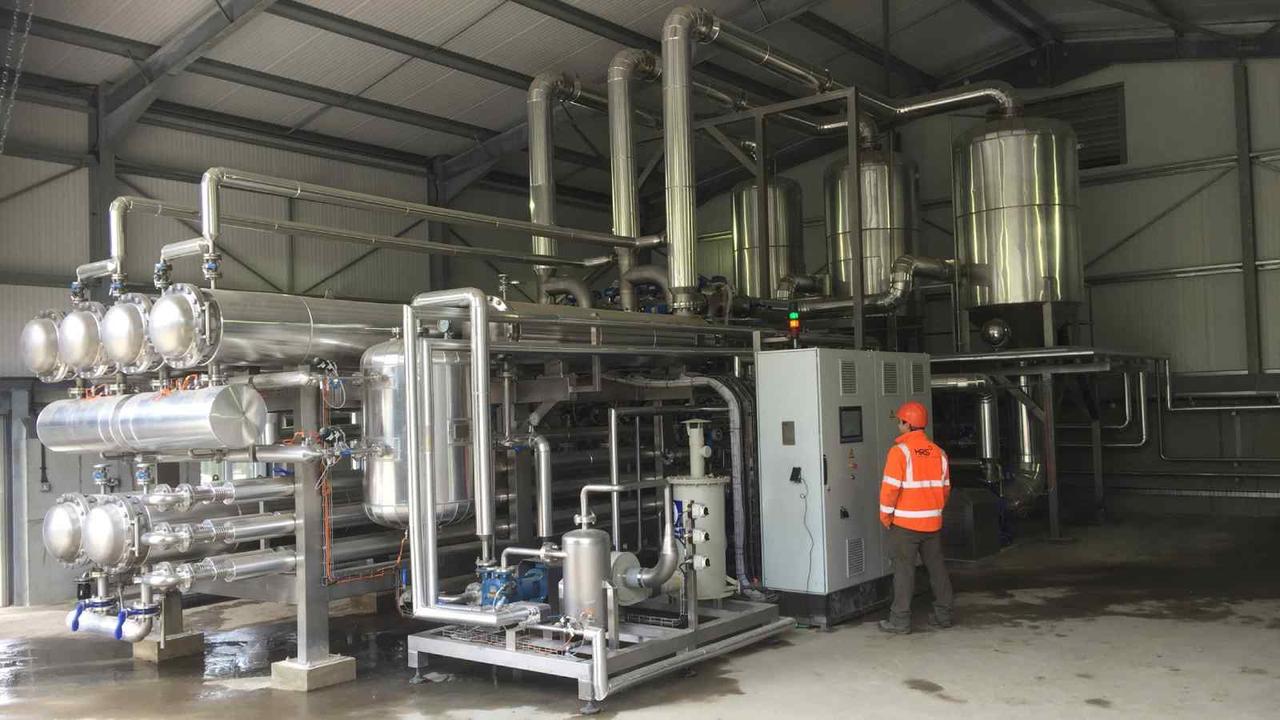
Dedicated systems for sludge and digestate concentration
The DCS works by superheating the digestate in a vacuum to facilitate concentration, using evaporation to significantly reduce digestate volumes while, at the same time, increasing the nutrient content
As well as the Unicus Series, the HRS Digestate Concentration System (DCS) is also available as a dedicated solution to remove up to 80% of the water content from digestate and sludge, producing a material containing 20% dry solids.
The DCS works by superheating the digestate in a vacuum to facilitate concentration, using evaporation to significantly reduce digestate volumes while, at the same time, increasing the nutrient content. The first part of the process involves heating the liquid digestate in heat exchangers; no additional water or energy is required, as the surplus water from the plant’s CHP engine (which is usually available at 85˚C) is used as the heating media. The digestate is then pumped into a cyclone separator; the high-speed rotating airflow causes the solid particles (which are too heavy to follow the tight curve of the airstream) to fall to the bottom of the cyclone, where they can be removed.
The steam produced from this first cycle (usually available at 70˚C) is then used as the heating media for the second effect, whereby the process is repeated. The subsequent steam (usually available at 60˚C) is used as the heating media for the third cycle – the number of effects is determined by the level of dry solids required, and the amount of spare heat available, up to a maximum of four cycles. After the final effect, the steam is condensed back into water and can then be used to dilute feedstock going into the front end of the digester; a completely closed-loop system. When linked to an on-site CHP plant, the DCS is wholly self-sufficient – no energy or water is brought in or wasted, and everything is reused.
Ultimately, there is no universal solution when it comes to heat exchangers for organic waste streams. The correct choice depends on a careful assessment of the material’s viscosity and solids content, the process temperatures involved, the required duty and the operational priorities of the facility. Taking the time to match equipment to application pays dividends in efficiency, uptime and whole-life cost.
HRS Heat Exchangers has decades of experience designing and supplying heat transfer solutions for the wastewater, anaerobic digestion and waste treatment sectors. For more information on selecting the right heat exchanger for your application, please contact your local representative or our environmental systems specialists today.