The end of waste – Sanitation reframed as resource, market and asset
We are pleased to present the June 2026 issue of Smart Water Magazine - Print Edition , dedicated to water reuse, wastewater management and the technologies, policies and investments driving a sector that is rapidly learning to treat its waste streams as its greatest resource.
Cover story: “We want the GWRS to continue serving as a global model for water reuse” →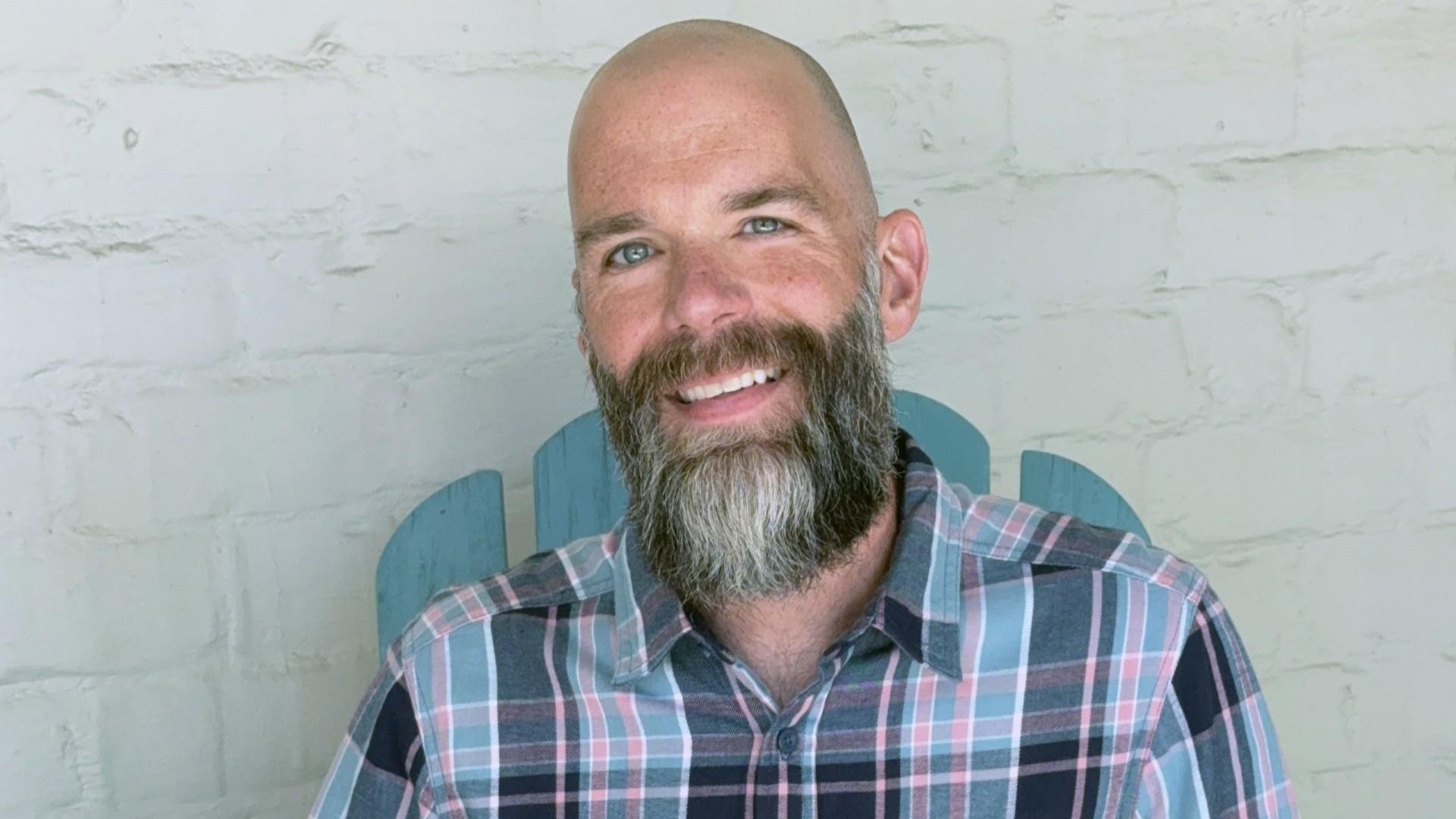
“Building public trust requires consistent communication, not just crisis management”

“SWIFT started with a Chesapeake Bay conversation, but it grew into more of a one-water solution for the region”

“Our research has shown that transparency, competence and experience affect public attitudes about recycled water”

“Filtralite has been part of our filtration solution since commissioning and has performed consistently well over time”
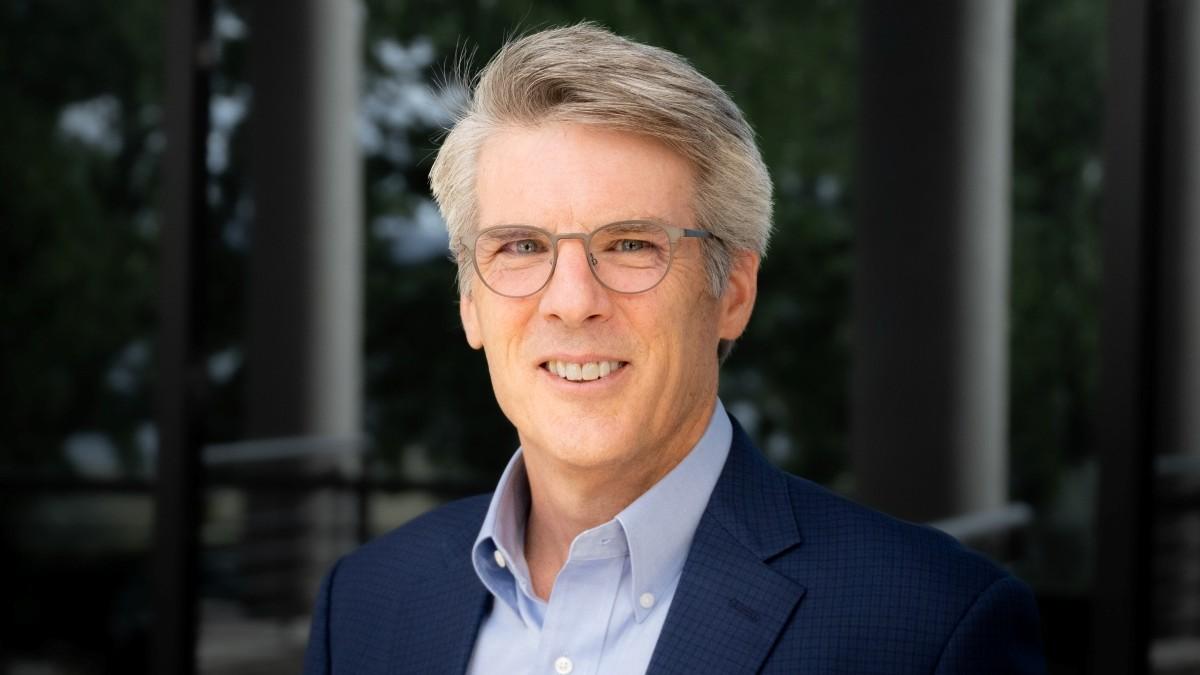
“We need to attract, develop and sustain skilled water professionals who can adapt to new technologies”
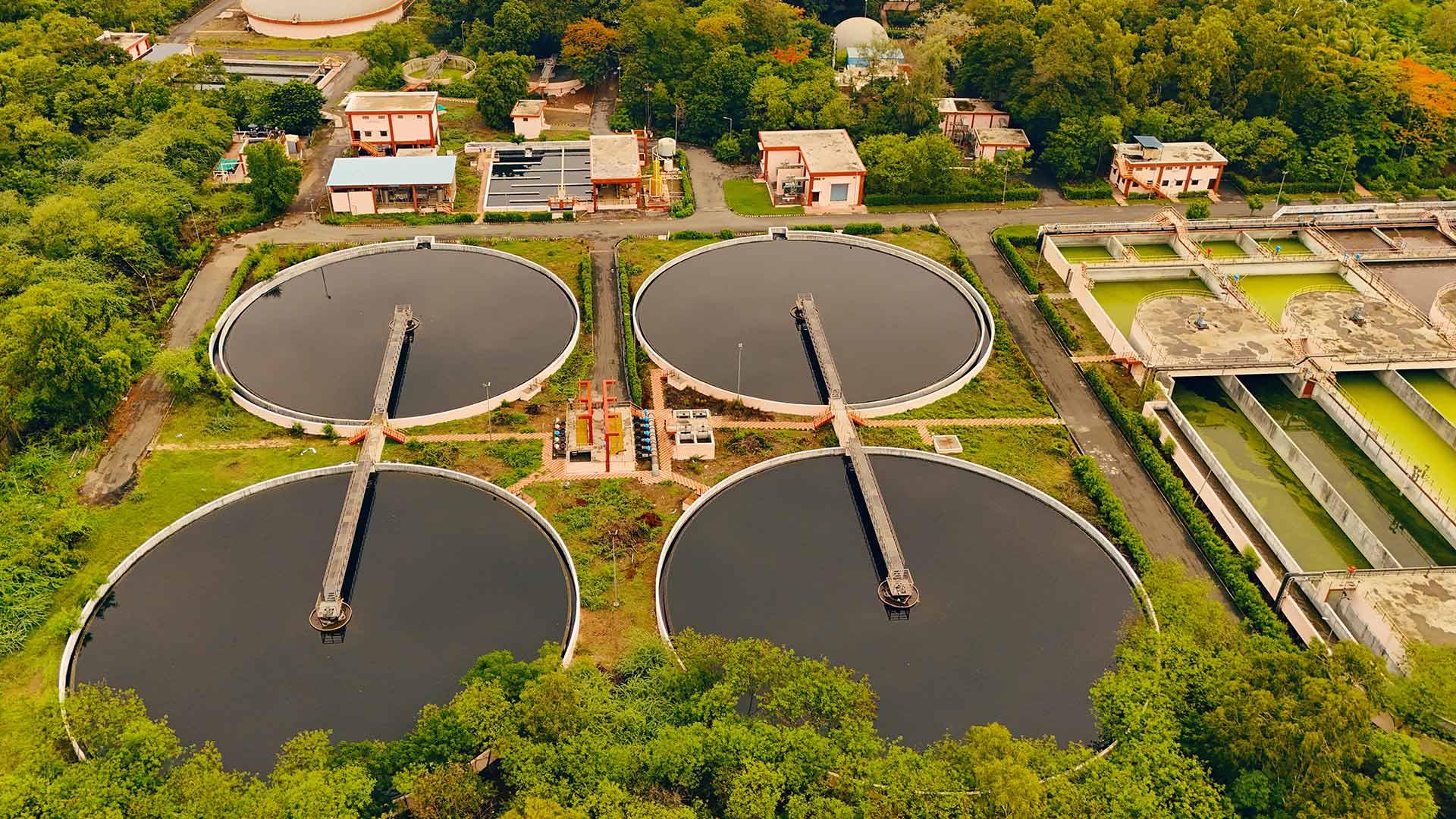
The money is already in the room
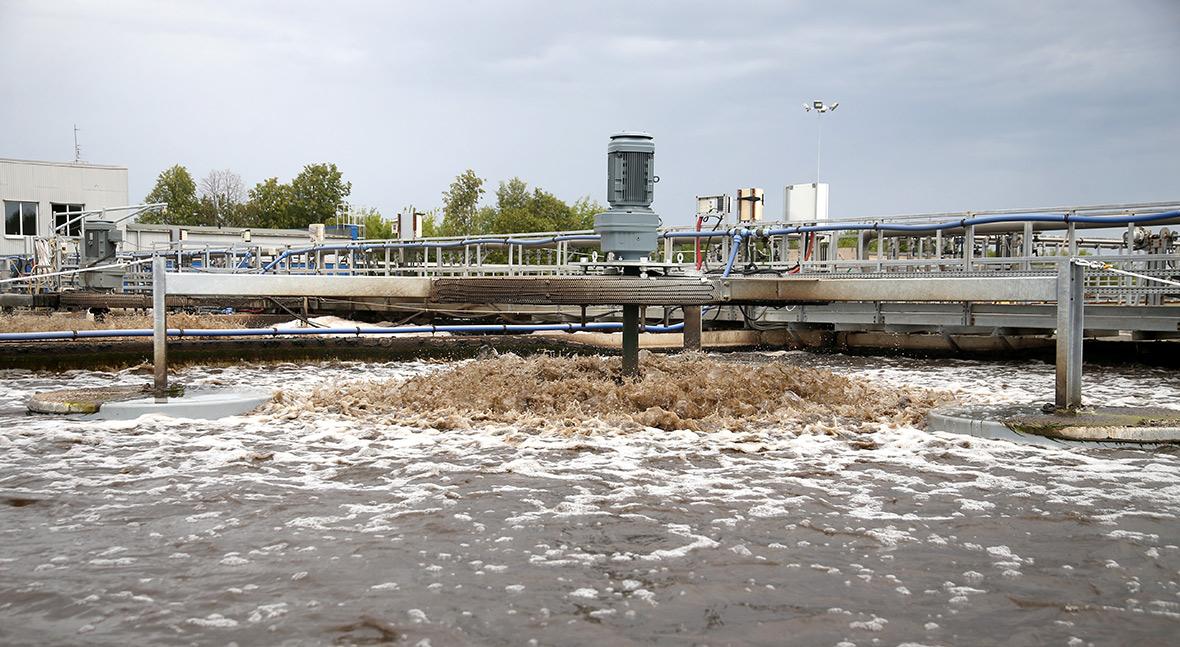
The last drop is a myth
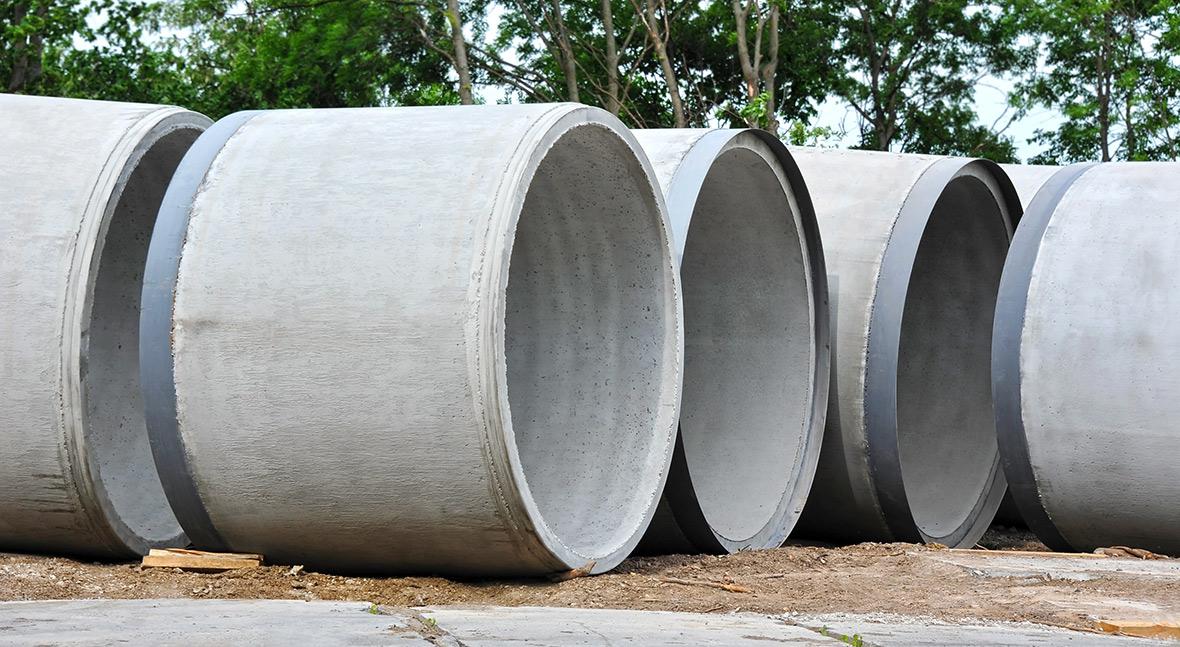
The tunnel economy
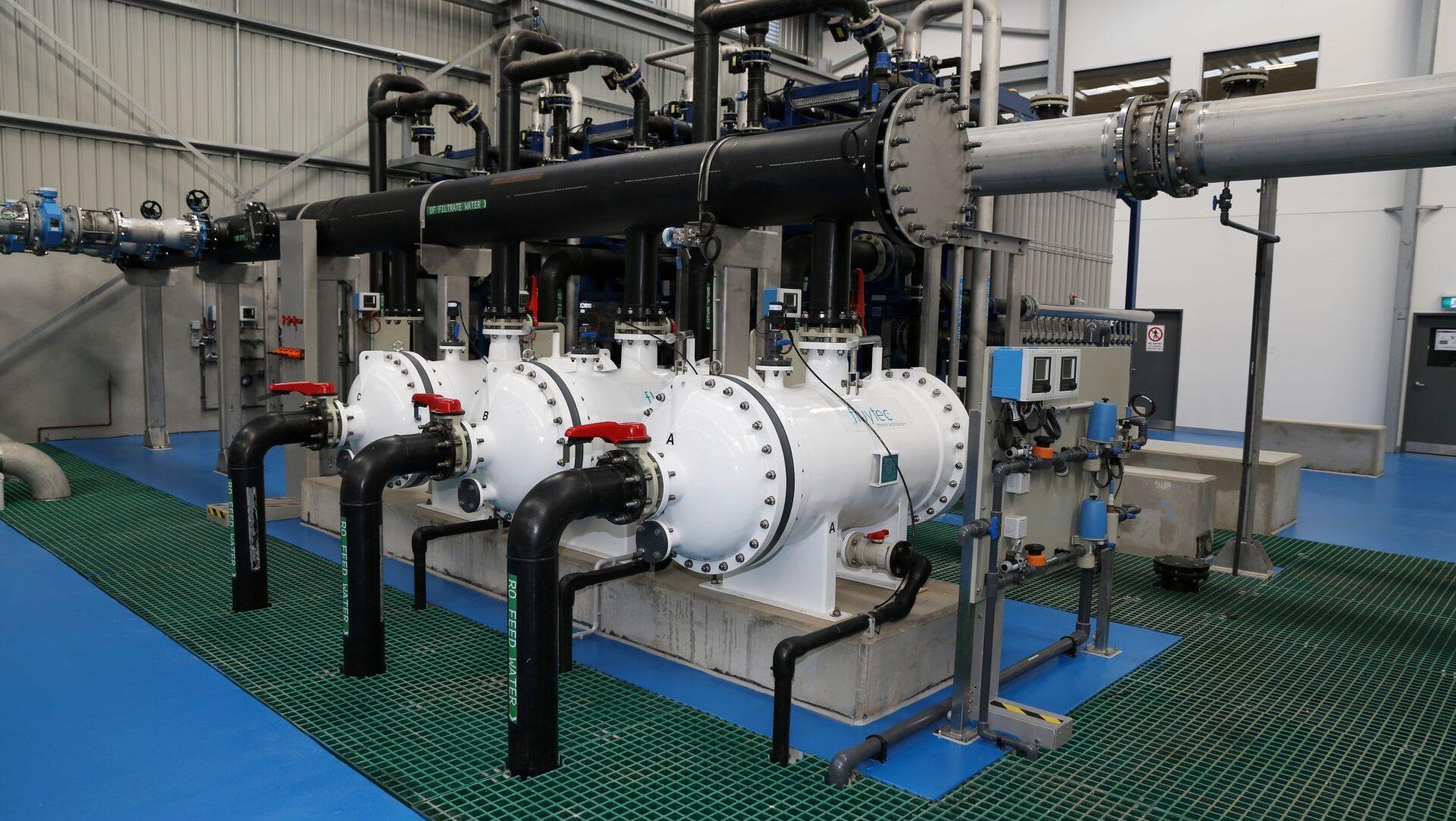
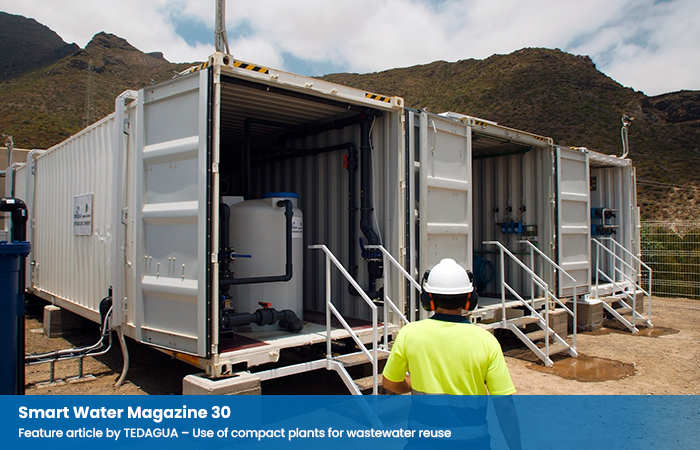
Use of compact plants for wastewater reuse: a scalable pathway for incorporating non-conventional water
The receiver pays
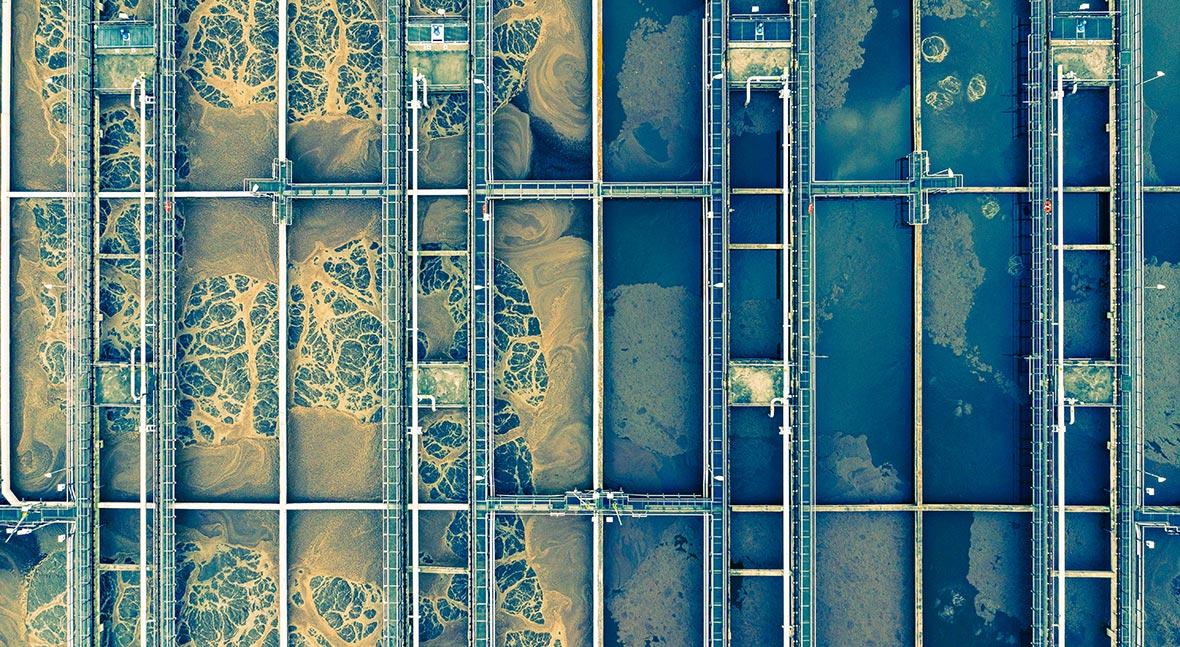
Europe sends the polluter the bill
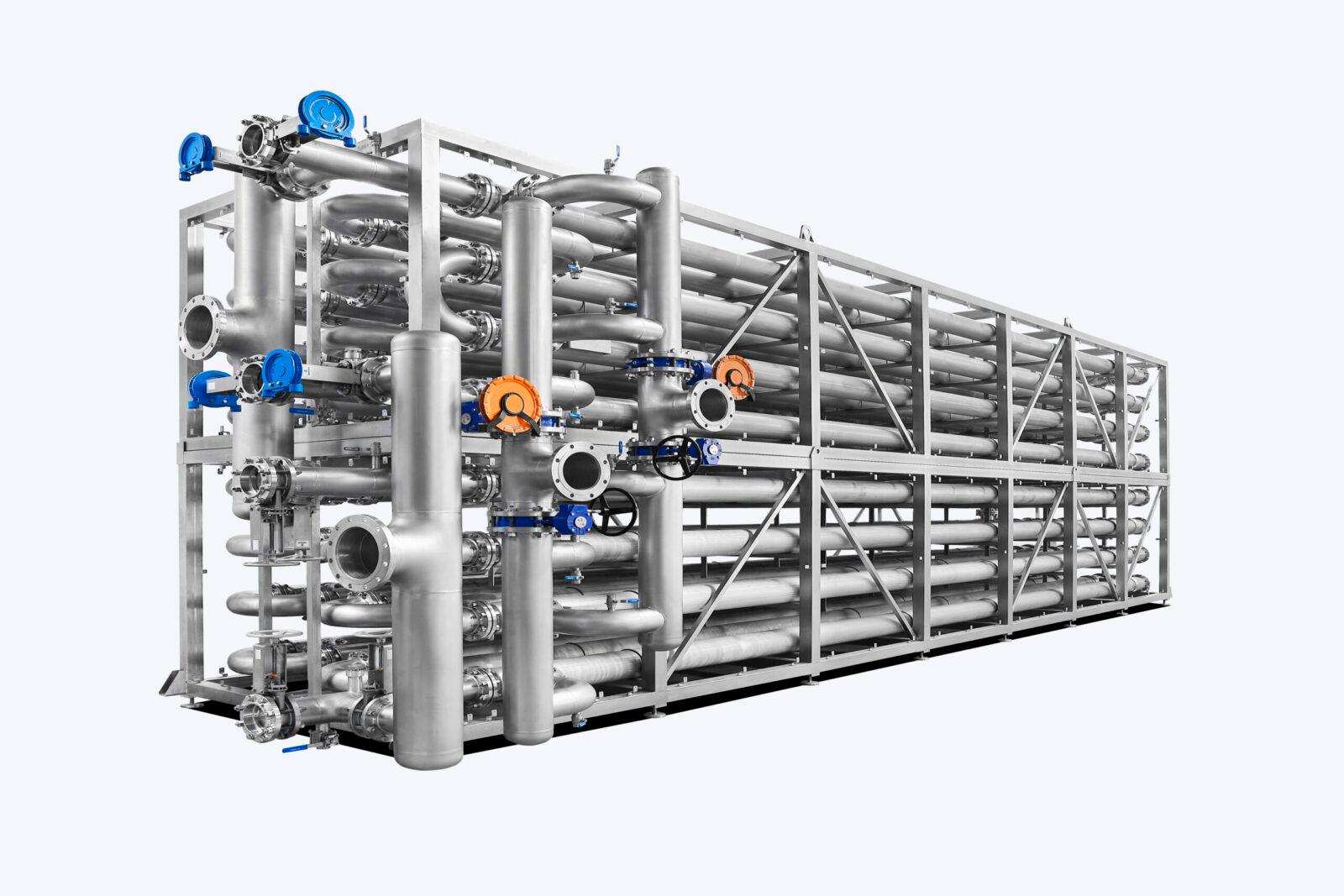
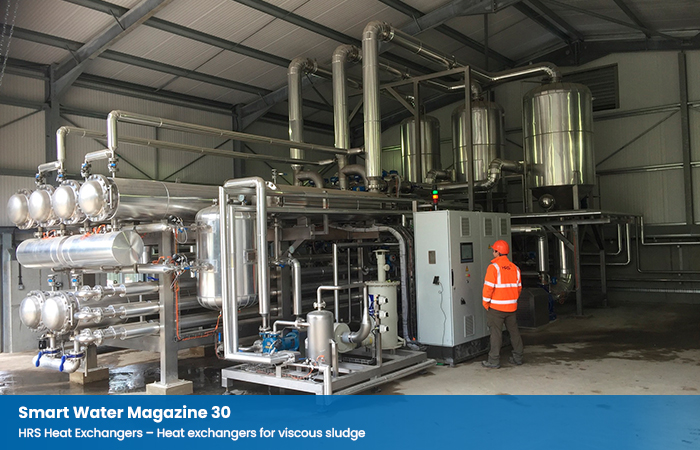
Heat exchangers for viscous sludge
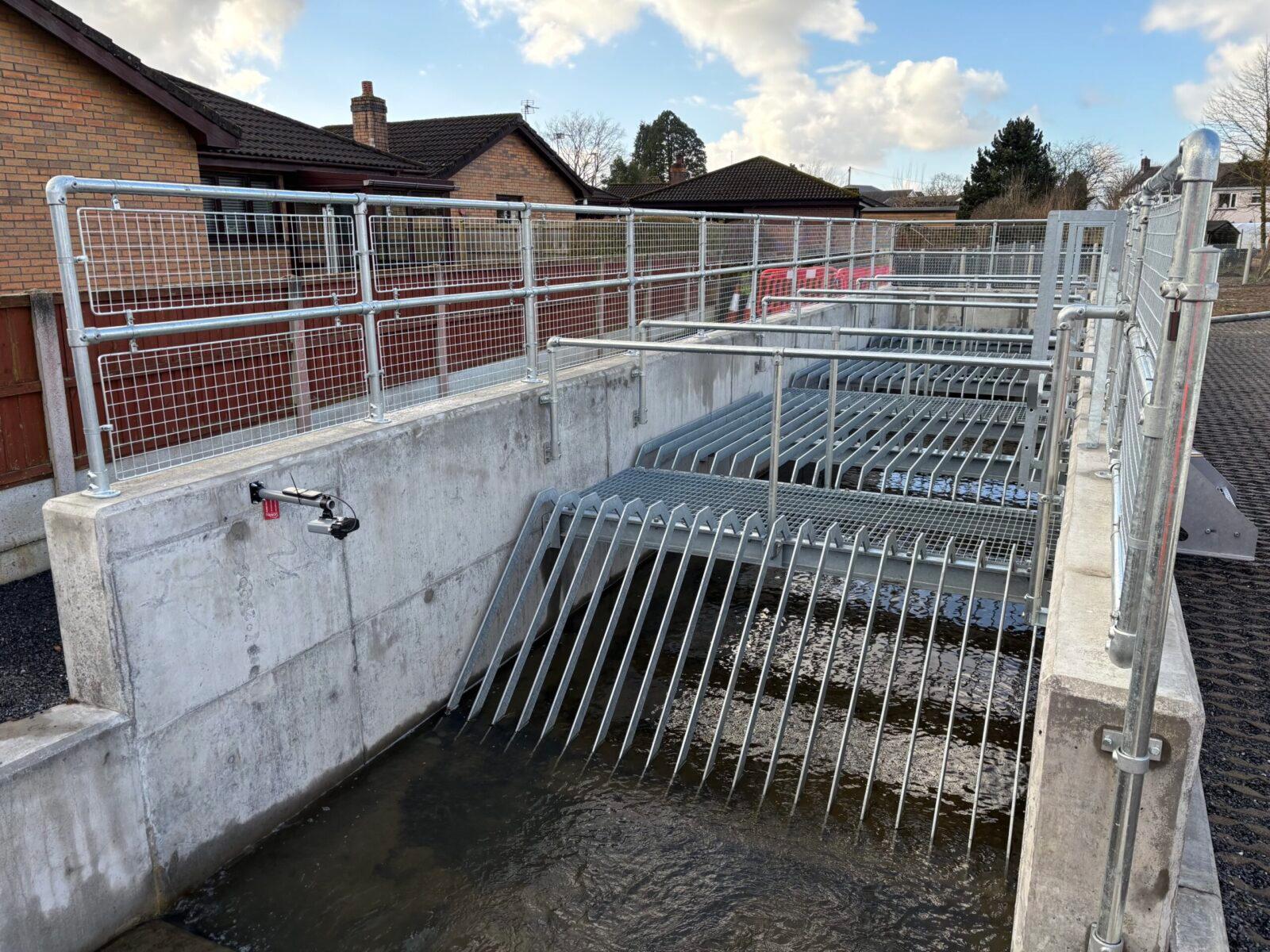
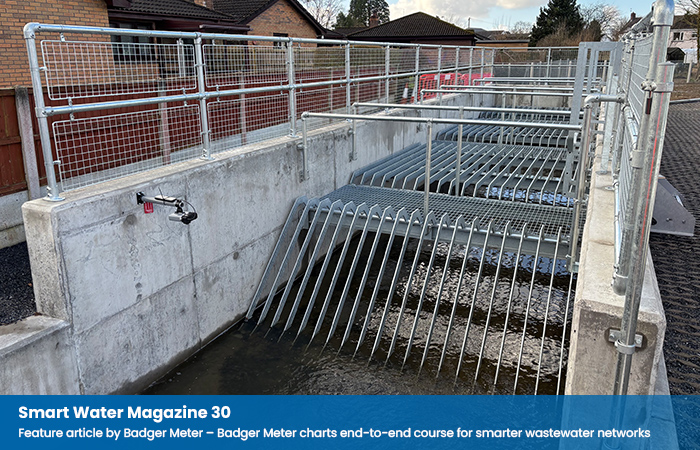
Badger Meter charts end-to-end course for smarter wastewater networks

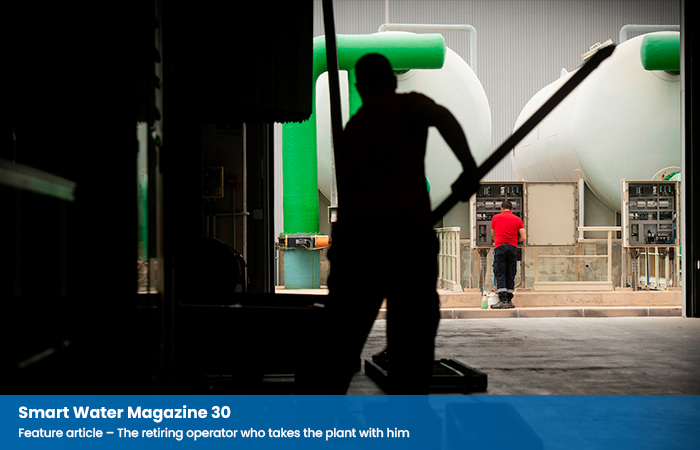
The retiring operator taking the plant with him: institutional knowledge loss in water utilities

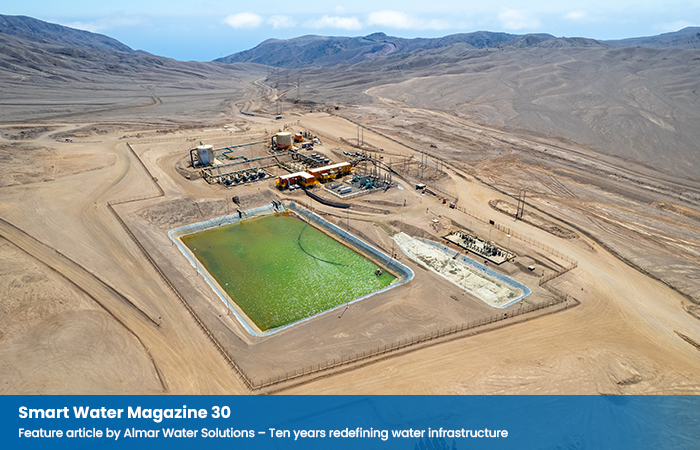
Ten years redefining water infrastructure

What waste is worth

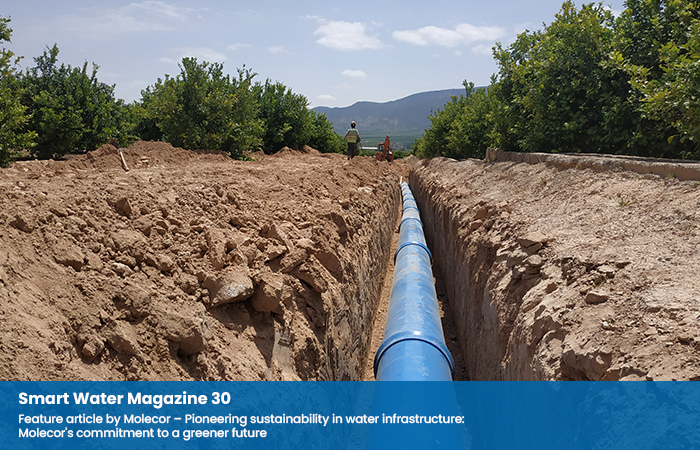
Pioneering sustainability in water infrastructure: Molecor’s commitment to a greener future

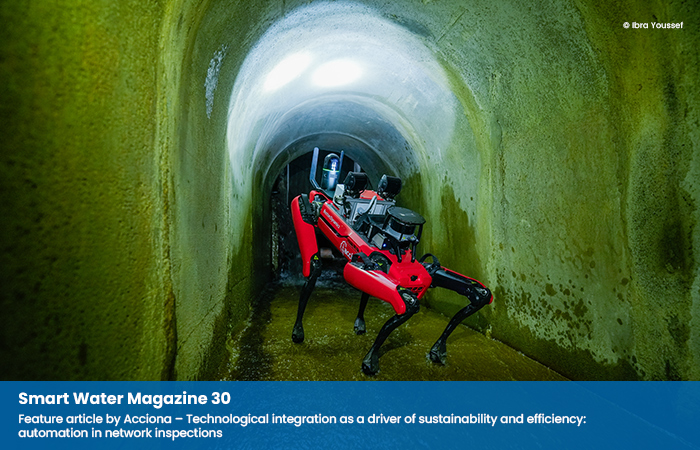
Technological integration driving sustainability and efficiency: automation in network inspections

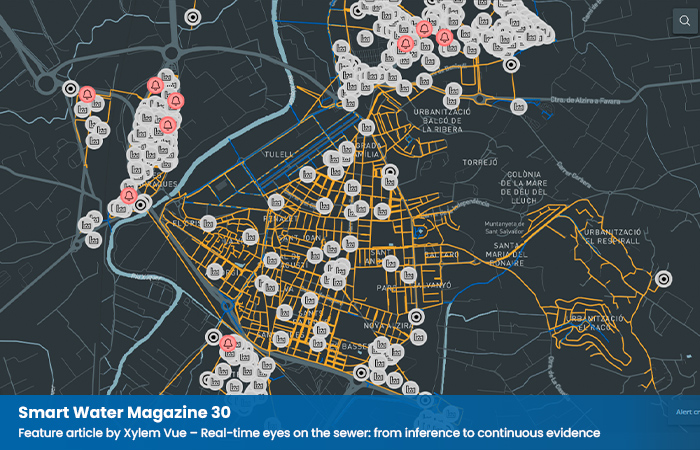
Real-time eyes on the sewer: from inference to continuous evidence

Rebuilding trust in water: a governance and leadership test for regulated utilities
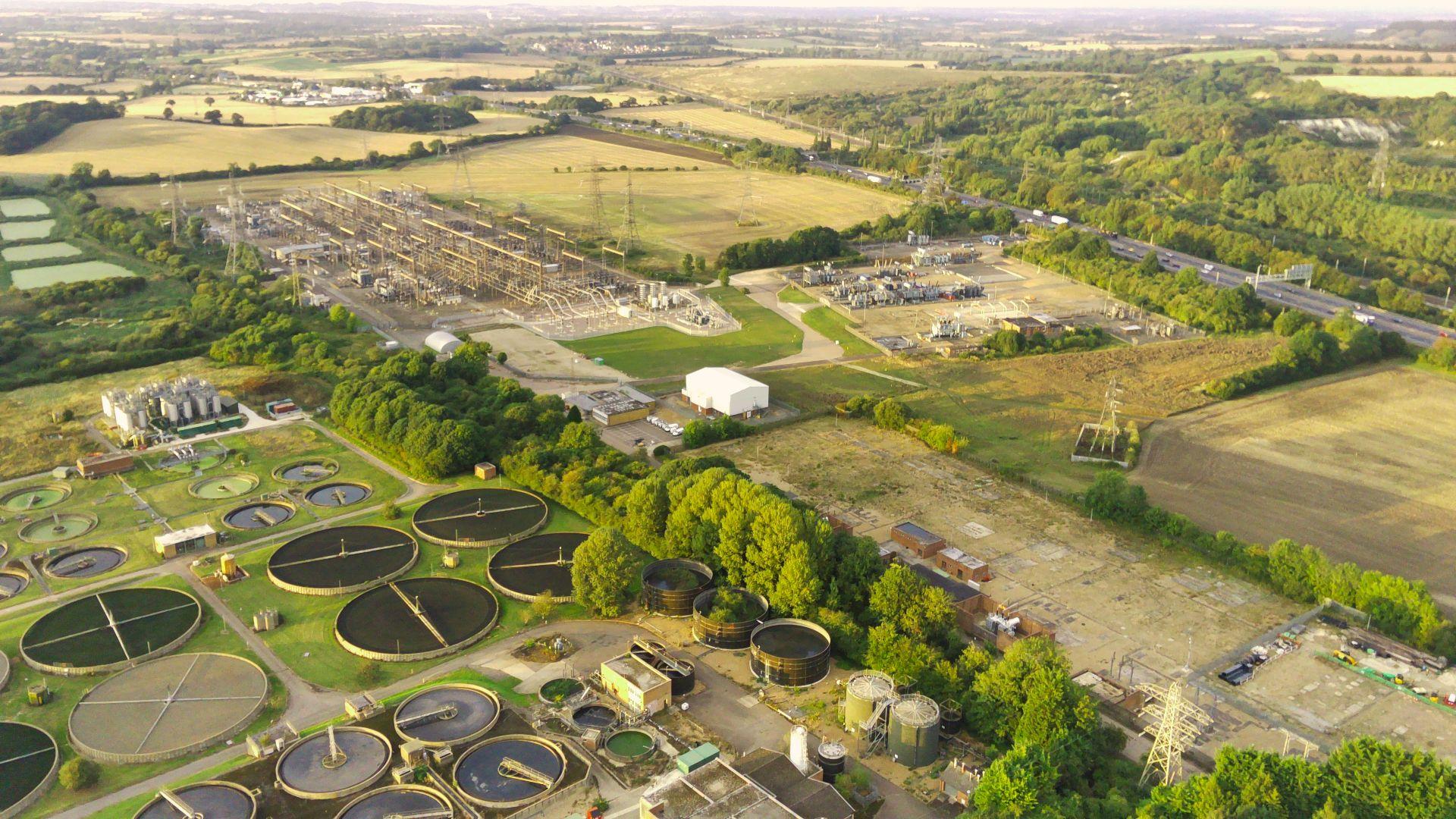
30 million people already drink it: the quiet rise of purified recycled water

India’s growing urban water crisis urges wastewater treatment and reuse
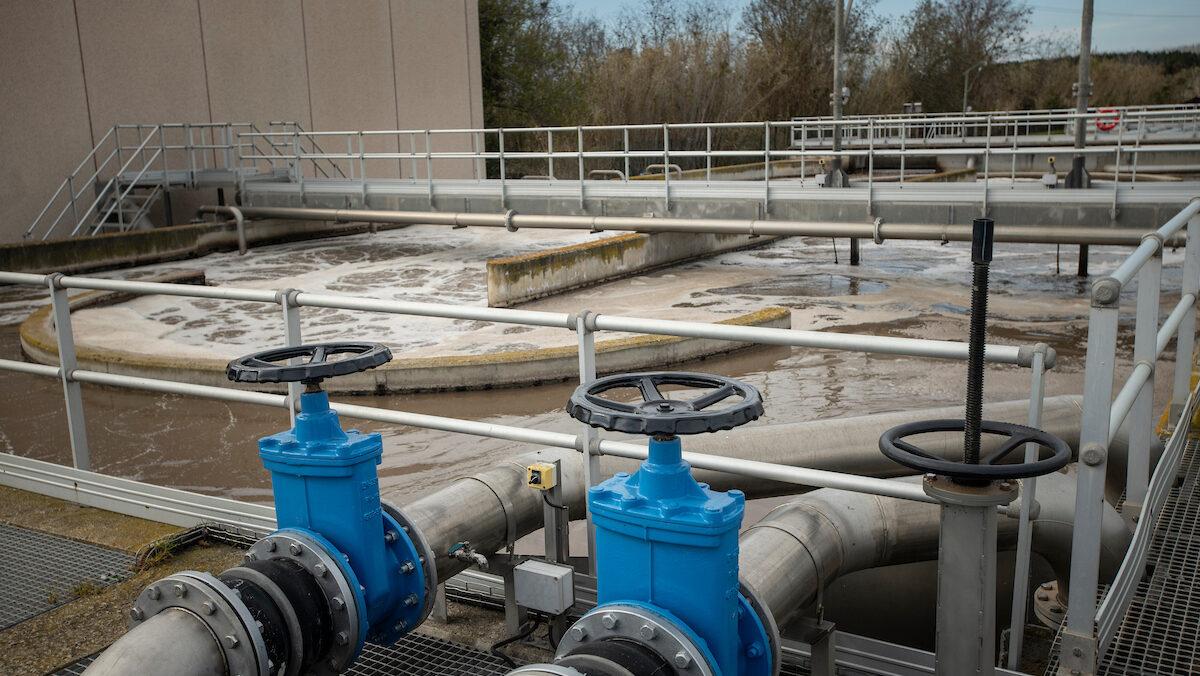
The underlying cost of salt in wastewaters
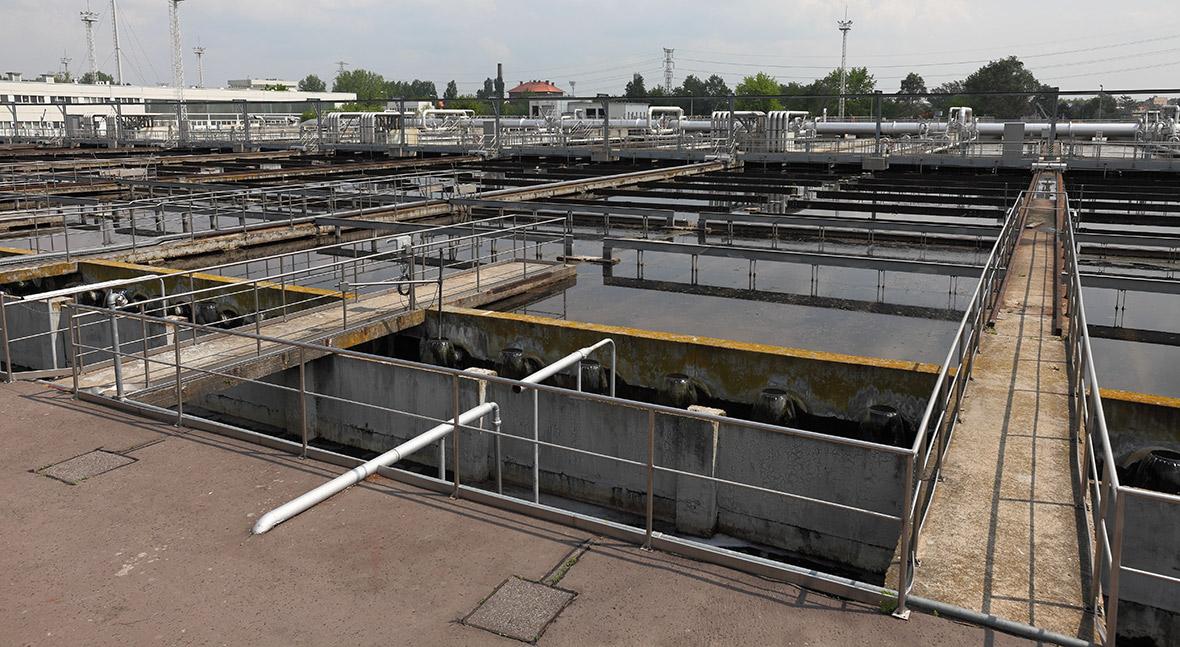
Hybrid intelligence will define the next decade of wastewater treatment
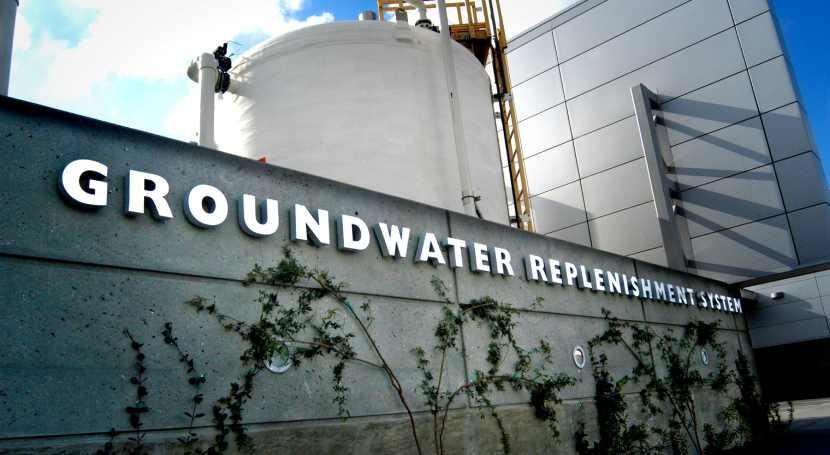
Waste is the wrong word
We are pleased to present the June 2026 issue of Smart Water Magazine – Print Edition, dedicated to water reuse, wastewater management and the technologies, policies and investments driving a sector that is rapidly learning to treat its waste streams as its greatest resource.
This issue's cover story features an in-depth interview with John Kennedy, General Manager of the Orange County Water District, the operator of the world's largest water purification system for indirect potable reuse. With the Groundwater Replenishment System now at full capacity, Kennedy reflects on what it means to shift from building to optimising, the research priorities that will define the next decade, and the lessons Orange County has to offer a world increasingly serious about closing the water loop.
The interview section brings together a rich set of voices from across the global water sector. Isak Albertsson, Project Manager, R&D at Stockholm Vatten och Avfall, describes how Filtralite has underpinned the utility's tertiary filtration performance since 2007. David LaFrance, CEO of AWWA, argues that the sector's defining workforce challenge is no longer filling vacancies but preserving the institutional knowledge that walks out the door with every retiring operator. David Sedlak, Professor at UC Berkeley, offers a rigorous and wide-ranging perspective on PFAS, concentrate management and what it will take to move from fragmented water management to a genuinely integrated one-water approach. Lauren Zuravnsky, Director of Design & Construction, SWIFT, at HRSD, walks through the engineering, ambition and hard-won lessons behind the programme that is turning advanced-treated wastewater into a regional aquifer supply while slowing land subsidence across coastal Virginia. Cameron McWilliam, Vice President at Carollo Engineers, makes the case for proactive communication and public trust-building as a professional obligation, not a crisis response.
Across the feature section, ACCIONA details how it integrates GIS, artificial intelligence and robotic CCTV inspection into a single digital ecosystem for predictive sewer maintenance. Badger Meter sets out how its acquisitions of SmartCover and UDlive position it as a global leader in sewer intelligence through the BlueEdge platform. Molecor makes the case for PVC-O as a foundational pipe material for networks built to endure a century. RSE argues that the technology for large-scale water reuse is proven and available; the missing ingredient is deployment speed. Almar Water Solutions reflects on a decade of long-term integrated water partnerships spanning desalination, reuse and industrial services across global markets. TEDAGUA explains how compact, modular treatment plants can compress reuse project delivery from years to months. Xylem Vue presents Sewer Tracker, its real-time sewer monitoring platform, now live across 130 Spanish municipalities. HRS Heat Exchangers guides engineers through the selection of corrugated tube, double tube and scraped surface technologies for viscous sludge applications. Beyond the company features, Olivia Tempest examines the operational knowledge that retires alongside veteran plant operators and why no database or procedure manual can yet replace it.
Our special analysis section, curated by David Escobar, covers six of the most consequential issues facing the water sector today. The state of global water reuse comes under scrutiny: with only 11% of the world's wastewater deliberately reused, the analysis asks why cities are moving so slowly toward a supply that is hiding in plain sight. PFAS is examined from the perspective of the utilities left to manage it, tracing how criminal courts, biosolids bans and tightening drinking water limits are reshaping operational and financial planning for organisations that never produced the contaminants they are now expected to address. The financing of water and sanitation infrastructure is also put under the microscope, with the argument that the gap is no longer about scarce capital but about who can structure a deal that closes, gets built and gets repaid. The Gulf region's accelerating shift toward reclaimed water infrastructure is analysed in full, driven by an arithmetic that is making reuse increasingly compelling against desalination. The revised EU Urban Wastewater Treatment Directive receives close attention, particularly its extended producer responsibility mechanism, which for the first time makes pharmaceutical and cosmetics companies fund micropollutant removal and opens a billion-euro market for the sector. The section also takes on a question that sounds simple but rarely gets a straight answer: what the global water and wastewater market is actually worth, and why that depends entirely on which of its two valid measures you choose to apply.
The opinion section brings together practitioners, researchers and consultants, offering bold, forward-looking perspectives on the challenges and opportunities that will define the next chapter of the water sector.
Leading voices: executives and experts on water's most pressing questions
In this edition of Smart Water Magazine, six professionals share their perspectives on a sector in the middle of a profound transition — one in which the definitions of clean water, safe reuse and resilient infrastructure are all being rewritten at once. Their experiences offer a wide-ranging and candid account of where the sector stands today.
John Kennedy, General Manager, Orange County Water District
The Groundwater Replenishment System is fully built and operating at 130 million gallons per day, making it the world's largest water purification system for indirect potable reuse. Kennedy reflects on what changes when a utility shifts from expansion to optimisation, where the next research priorities lie, and what Orange County's decades of experience have to offer a world that is only now getting serious about closing the water loop.
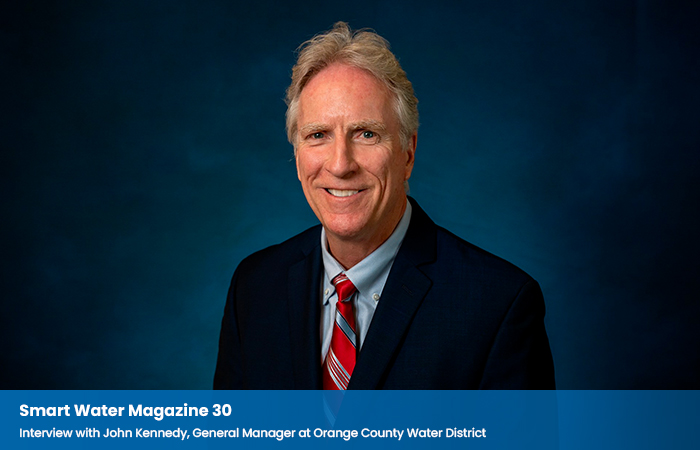
Isak Albertsson, Project Manager, R&D at Stockholm Vatten och Avfall
Stockholm Vatten och Avfall has relied on Filtralite as the backbone of its tertiary filtration since 2007. Albertsson explains what sustained that choice over nearly two decades, how the material performs under the demands of a large Scandinavian utility, and what operational evidence looks like when a filter medium genuinely delivers.
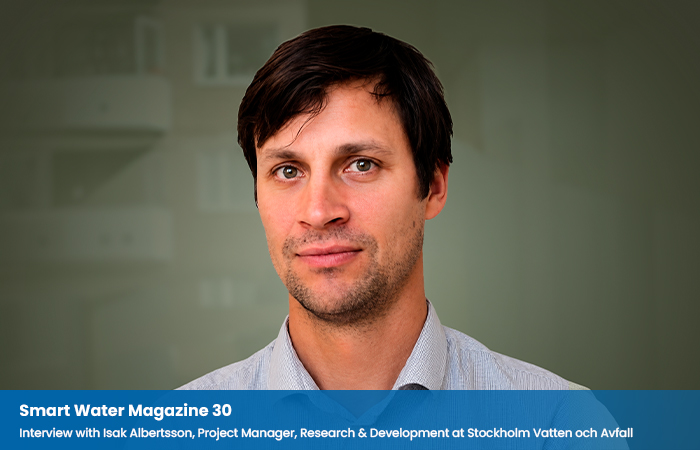
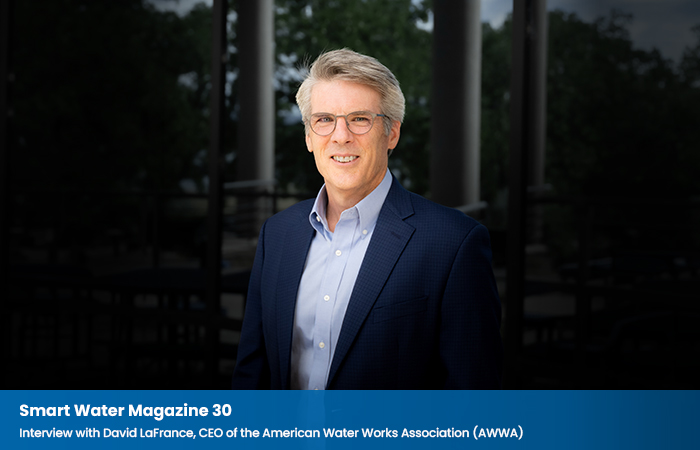
David LaFrance, CEO, AWWA
The American water sector is facing a generational transition, and LaFrance is direct about what is at stake. Recruiting is one challenge, but the deeper one is preserving the tacit knowledge held by operators and engineers who have spent careers learning things that were never written down — and may not be transferable at all.
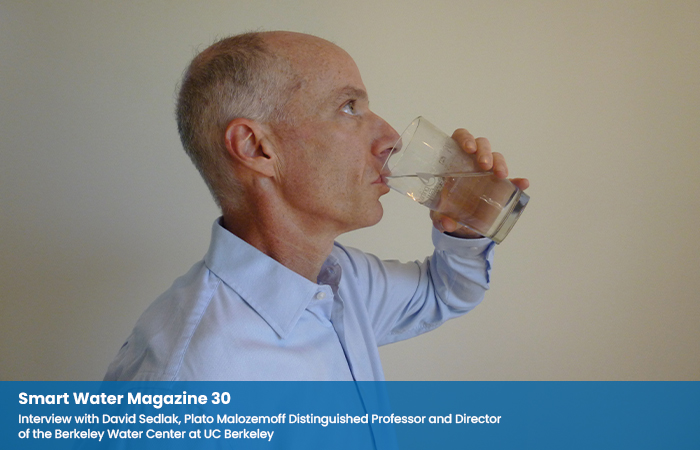
David Sedlak, Professor, UC Berkeley
One of the sector's most rigorous thinkers, Sedlak covers PFAS detection and liability, the concentrate problem that limits reuse ambition, and the institutional fragmentation that keeps water and wastewater management in separate silos. His argument for a genuine one-water approach is built on evidence, not aspiration.
Lauren Zuravnsky, Director of Design & Construction, SWIFT, HRSD
HRSD's SWIFT programme is injecting highly treated wastewater deep into the Potomac Aquifer System, simultaneously building a drought-resilient regional supply and countering the land subsidence threatening coastal Virginia. Zuravnsky walks through the science, the infrastructure and the scale of what is now one of the most ambitious water reuse programmes in the United States.

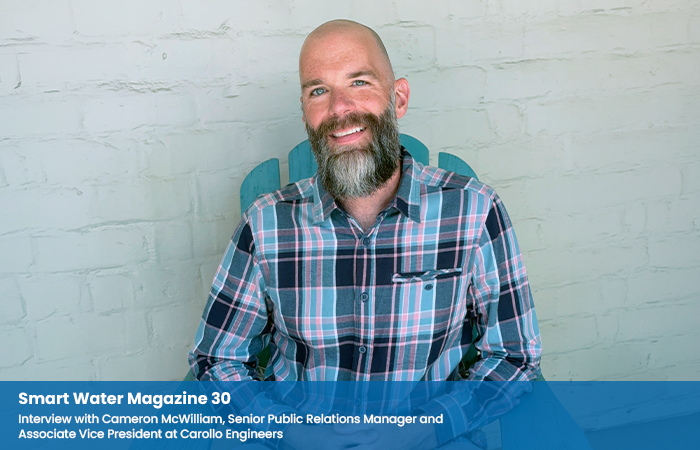
Cameron McWilliam, Vice President, Carollo Engineers
The water sector tends to communicate in a crisis, McWilliam argues, and that is precisely the wrong moment. Drawing on years of public engagement work, he makes the case that trust is built through consistency and clarity long before any controversy arises — and that the profession has both the tools and the obligation to do it better.
Innovation at every scale: engineering and technology for a water-resilient world
From sewer intelligence and pipe materials to heat transfer, modular treatment and digital monitoring, this issue's features cover the technologies and approaches driving more efficient, resilient and sustainable water and wastewater infrastructure. Together, they show how innovation at the component, system and operational level translates into long-term performance — and how the sector is finding smarter answers to problems it has been wrestling with for decades.
ACCIONA – Seeing inside the sewer network
ACCIONA describes how integrating GIS, artificial intelligence and robotic CCTV inspection into a single digital ecosystem transforms sewer management from a reactive discipline into a predictive one. The approach reduces the cost and disruption of inspections while generating the data utilities need to plan targeted, evidence-based investment.
Badger Meter – A global bet on smarter sewers
The acquisitions of SmartCover and UDlive have given Badger Meter a commanding position in sewer line monitoring, now unified under the BlueEdge platform. The result is one of the most comprehensive intelligence layers available for municipal wastewater networks, combining real-time data, predictive analytics and remote visibility across distributed infrastructure.
Molecor – Pipes built for the next century
Molecor makes the case for oriented PVC as the foundational material for water networks built to endure. Its TOM® pipes and ecoFITTOM® fittings combine a 100-year design life, superior hydraulic capacity and corrosion immunity, all within a manufacturing model committed to reaching Net Zero by 2040.
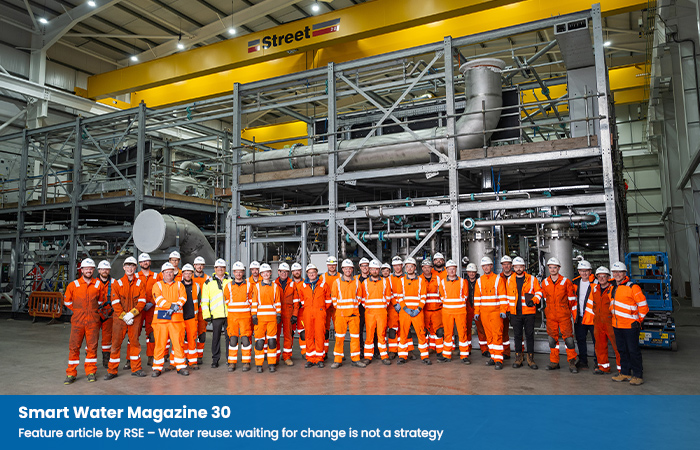
RSE – Waiting is not a water strategy
The technology for large-scale water reuse is mature, proven and available. RSE argues that the bottleneck is not engineering but pace — and that modular, rapidly deployable treatment plants offer utilities a way to move from policy commitment to operational reality in months rather than years.
Almar Water Solutions – Ten years, one clear direction
A decade after its founding, Almar Water Solutions reflects on a journey from project developer to integrated water partner. Spanning desalination, reuse and industrial water services across global markets, the company's model is built on long-term contracts and shared operational accountability rather than transactional project delivery.
TEDAGUA – Modular reuse, faster results
TEDAGUA sets out the technical and regulatory case for compact, modular wastewater treatment plants as the most practical bridge between reuse ambition and operational delivery. Drawing on projects across Spain, the company shows how standardised, factory-built systems can compress timelines and reduce risk without compromising treatment quality.
Xylem Vue – The sewer's new digital layer
Xylem Vue's Sewer Tracker platform is live across 130 Spanish municipalities, giving utilities continuous, evidence-based visibility into industrial discharges, infiltration events and network behaviour. The result is a shift from periodic inspection to always-on intelligence — and a fundamentally different relationship between utilities and the infrastructure they operate.
HRS Heat Exchangers – The right exchanger for the job
Not all sludge behaves the same, and choosing the wrong heat transfer technology is a costly mistake. HRS Heat Exchangers maps the performance characteristics of corrugated tube, double tube and scraped surface units, setting out which technology best suits each combination of viscosity, solids content and treatment objective.
The operator who takes it all home
When a veteran operator retires, the plant loses more than a headcount. Olivia Tempest examines the tacit knowledge — built over careers of listening to pumps, reading gauges and making judgment calls — that no standard operating procedure or SCADA system can yet capture, and asks what the sector can realistically do to keep it.
The big picture: six forces reshaping sanitation, wastewater treatment and reuse
Water reuse rates, PFAS liability, the structure of private finance in sanitation, Gulf infrastructure investment, Europe's landmark new wastewater directive and the true size of the global market — David Escobar's special analysis section takes on six of the questions the sector cannot afford to leave unanswered.
Opinion: governance, technology and the future of water reuse
This edition brings together five experts spanning utility management, academic research, environmental consulting and water policy, whose contributions range from the governance crisis in UK water and the hidden cost of salt in wastewater systems, to the global evidence for purified recycled water, the digital future of the treatment plant and the urgent case for circular water management in the global south.
- Dr Sreenivasan Ramaswami, Assistant Professor, Centre for Sustainable Technologies, Indian Institute of Science
- António Pinto, Strategic Studies Specialist, Águas do Tejo Atlântico
- Martin Hurst, Associate, Sustainability First
- Danielle Francis, Manager Customer and Policy, Water Services Association of Australia
- Christos Charisiadis, Founder and Managing Consultant, Brine Consulting
.jpg)