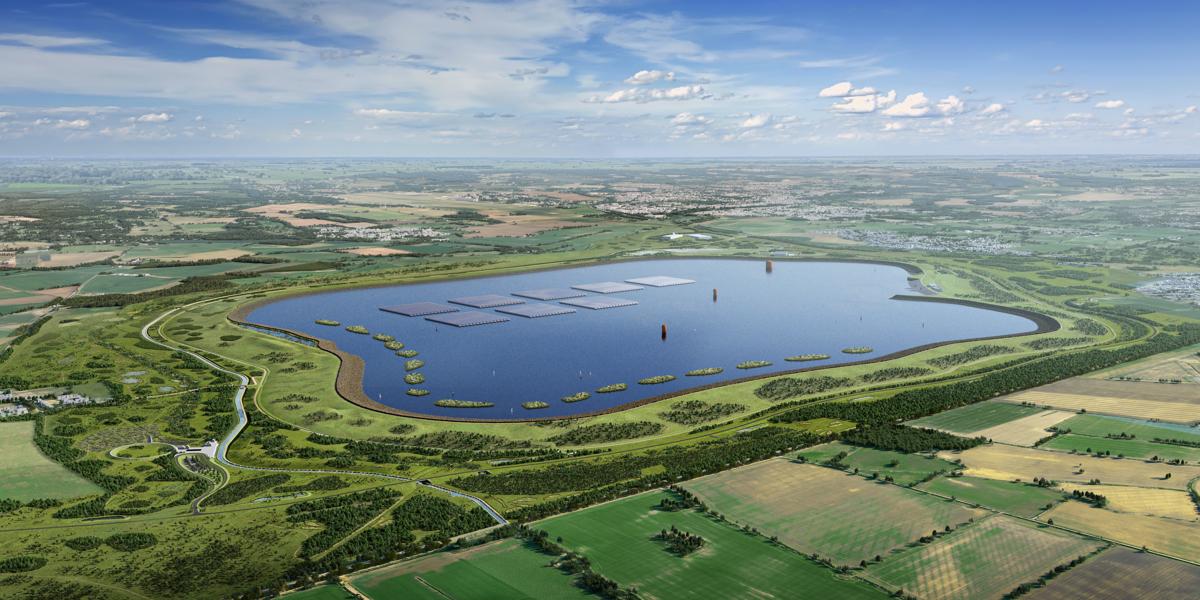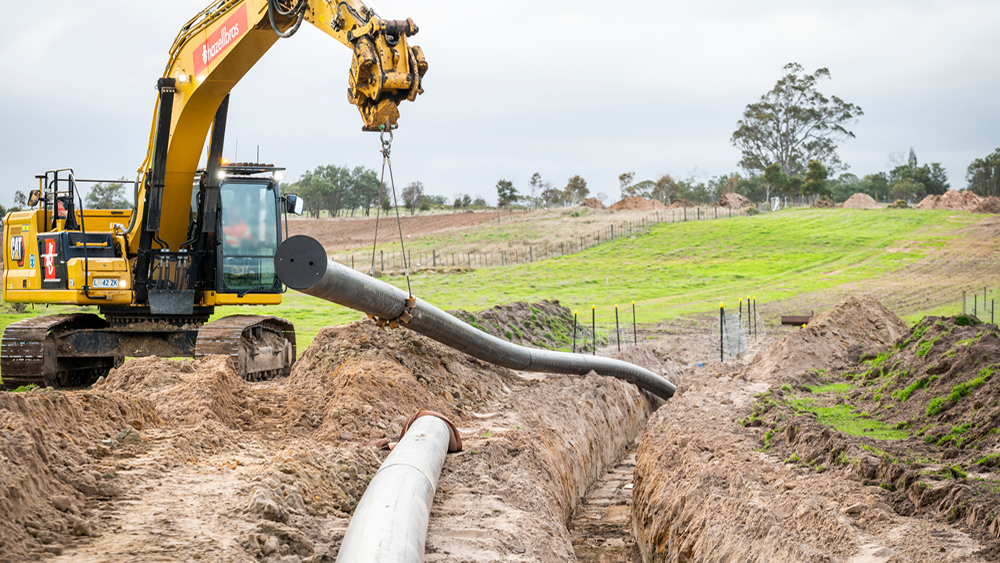
An AUD 217.96 million pipeline network has been completed for the Northern Midlands Irrigation Scheme in Tasmania, Australia, with construction crews laying the final stretch of pipe and closing out a project expected to bring greater water security to farmers across four districts.
The completed network spans 152.4 kilometres. With the pipe now in the ground, the focus shifts to commissioning works ahead of the first water deliveries, scheduled to begin in October 2026, with the first full irrigation season set for summer 2026/27. The scheme is designed to supply 25.5 billion litres of water a year to farms in Cressy, Epping Forrest, Campbell Town and Ross, covering thousands of hectares of agricultural land, and is Tasmania’s largest irrigation scheme to date in terms of capital value and summer water delivery capacity.
The project combines AUD 108.98 million from the Australian Government, through the National Water Grid Fund, AUD 72.26 million from the Tasmanian Government, and AUD 36.72 million from irrigators through the purchase of water entitlements.
Australia’s federal minister for the environment and water, Murray Watt, linked the milestone to the long term prospects of local growers: “This significant milestone is giving Northern Midlands farmers the confidence that comes with greater water security, allowing them to continue planning and investing for the future.”
Beyond irrigation supply, authorities have highlighted the scheme’s wider economic footprint, noting that construction has already generated regional employment and is expected to keep supporting local communities once operations begin.
Tasmania’s agricultural sector, known for premium food and fibre production, is expected to use the additional water security to diversify crops and expand output, with officials framing the scheme as a long term asset for the region’s farming economy.