In an era marked by water stress and climate uncertainty, desalination has become a lifeline for many nations. This article explores how WEG is supporting some of the world’s most strategic desalination initiatives across Latin America, the Middle East, and the Mediterranean, through advanced electrical solutions that drive energy efficiency, process reliability, and sustainable infrastructure.
As climate change intensifies and freshwater sources become increasingly stressed, seawater desalination has emerged as a vital strategy for ensuring water security, particularly in arid and coastal regions. Desalination allows countries and communities to tap into an abundant and reliable source of water, the ocean, helping to alleviate pressure on overexploited aquifers and reduce dependence on unpredictable rainfall.
WEG delivers integrated electrical solutions to maximise desalination energy efficiency, operational reliability, and lifecycle performance
Beyond securing drinking water, desalination supports agricultural, industrial, and municipal resilience in areas where water scarcity limits economic and social development. However, achieving sustainable desalination requires not only advanced treatment technologies but also energy-efficient infrastructure that reduces environmental impact and operating costs.
Across Latin America, the Middle East, and the Mediterranean basin, WEG supports some of the most strategic desalination initiatives through integrated electrical solutions designed to maximise energy efficiency, operational reliability, and lifecycle performance.

Beyond components: engineering complete electrical solutions
Sustainable desalination requires more than individual pieces of equipment. It demands fully integrated electrical architectures capable of operating in harsh coastal environments, under high loads, and with strict efficiency requirements.
With operations in over 135 countries, WEG delivers complete electrical packages tailored to desalination projects. These include:
- medium- and low-voltage motors (such as the W60 series)
- medium-voltage drives (MVW3000 platform) and low-voltage VFDs
- soft starters and control systems
- PLC and automation solutions
- low- and medium-voltage switchgear
- electrical panels and motor control centres
- prefabricated e-houses and electrical rooms
- digital monitoring and asset management systems.
This integrated approach ensures seamless compatibility between power, control, and process systems, simplifying commissioning and reducing interface risks for EPC contractors and plant developers.
Increasingly, desalination plants are also required to integrate renewable energy sources such as solar and wind power. WEG’s drive and motor technologies are engineered to operate reliably under variable power input conditions, supporting hybrid grid-renewable configurations and contributing to lower carbon water production.
Large-scale deployment in North Africa
Complete electrical architectures ensure reliable operations under harsh coastal conditions and with strict efficiency requirements
Algeria’s recent expansion of seawater desalination capacity represents one of the largest infrastructure programs in the region. In plants such as El Tarf, Béjaïa and Cap Djinet (300,000 m³/day each), WEG supplied a broad scope of medium- and low-voltage motors, drives and associated electrical equipment supporting intake, pre-treatment, reverse osmosis and post-treatment processes.
By delivering harmonised electrical solutions rather than isolated components, WEG contributed to optimised energy performance and high operational availability. These facilities now play a strategic role in strengthening water security along Algeria’s coastline and reducing pressure on inland reservoirs.

Expanding in Israel: advanced integration and innovation
Israel, a pioneer in desalination technologies, continues to invest in next-generation plants that demand precision, efficiency, and long-term sustainability.
A landmark example is the Sorek II desalination plant, one of the largest and most advanced reverse osmosis facilities worldwide. For this project, WEG supplied a comprehensive scope of high-efficiency medium- and low-voltage motors engineered for high-pressure and process pump applications across multiple treatment stages. The solution was designed to ensure thermal robustness, mechanical reliability, and optimised energy performance under demanding reverse osmosis operating conditions. Close coordination with the engineering, procurement and construction contractor and plant stakeholders ensured seamless integration within the overall electrical architecture, reinforcing system stability, digital monitoring capability, and long-term operational efficiency.
Medium-voltage drives enable precise flow control across critical stages of the treatment process, optimising the use of energy
In Israel’s highly advanced desalination market, intelligent drive integration and precise flow regulation are essential. WEG’s solutions enable reduced mechanical stress, improved process stability, and enhanced digital performance management, reinforcing the country’s benchmark position in energy-efficient desalination.
Latin America: industrial and municipal resilience
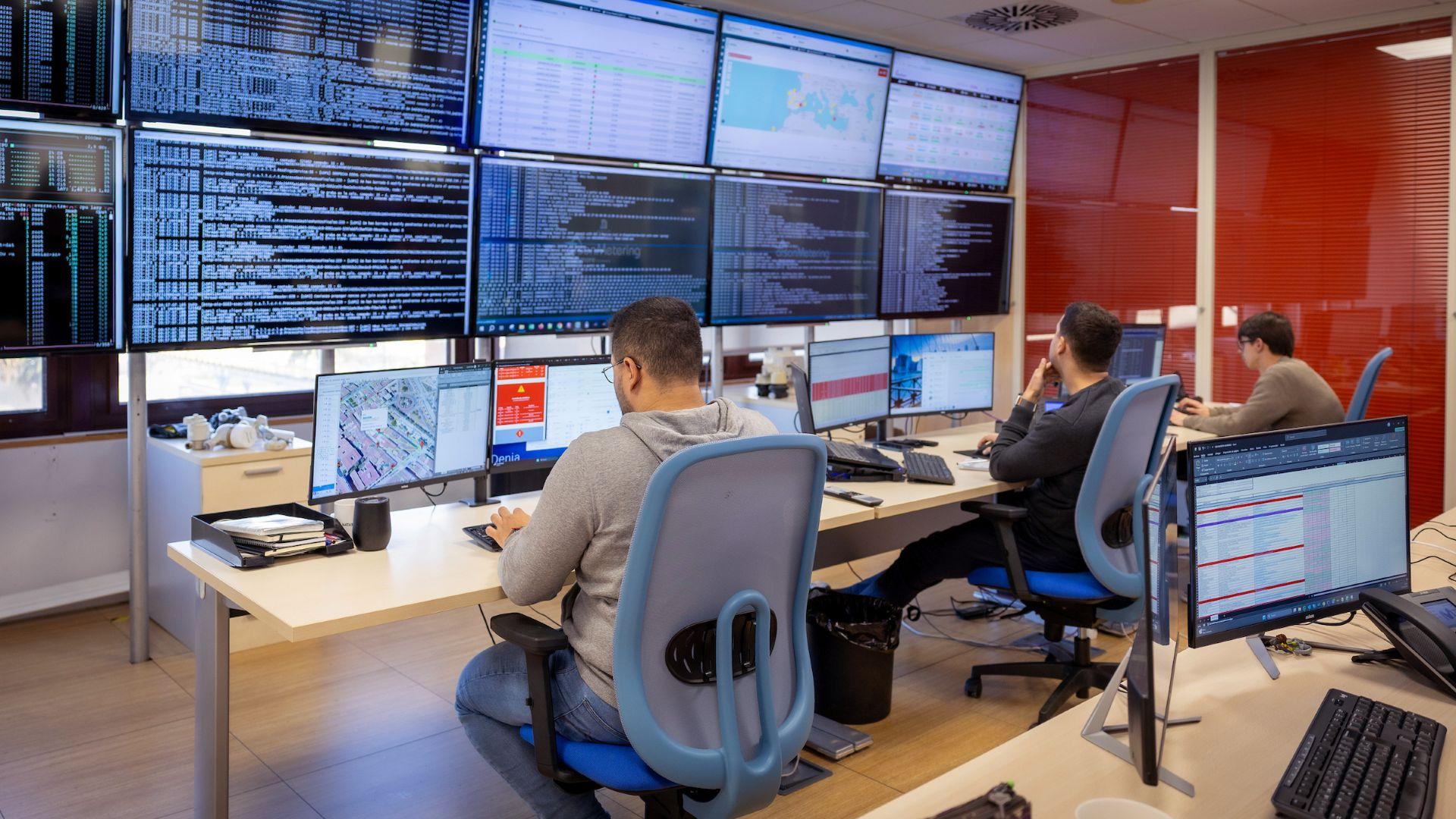
Digital monitoring enhances predictive maintenance, reducing unplanned downtime and extending the equipment lifecycle
In Chile, desalination has become essential to support both mining and municipal demand. In projects such as the Aconcagua desalination initiative, WEG delivered integrated electrical rooms, medium- and low-voltage motors, variable frequency drives, and complete panel solutions, covering critical stages of the treatment chain.
In Mexico, the Los Cabos desalination plant in Baja California Sur required robust solutions capable of operating under saline corrosion, temperature variations and fluctuating demand. WEG supplied medium-voltage motors and drives as part of a broader electrical package engineered for reliability and simplified maintenance, supported by local technical service capabilities.
These projects demonstrate how tailored electrical integration contributes directly to operational stability and long-term sustainability.
High-capacity benchmark projects in Saudi Arabia
Large-scale desalination facilities in Saudi Arabia represent some of the most ambitious water infrastructure developments globally.

The Jubail 3A desalination plant stands as a major reference in high-capacity seawater reverse osmosis production. For this project, WEG supplied a comprehensive package of medium-voltage drive systems designed to control booster and feed pump applications across critical stages of the treatment process. The solution was engineered to provide precise flow regulation, optimised energy consumption, and reliable performance under extreme desert temperatures and demanding grid conditions. Close collaboration with the engineering, procurement and construction contractors and project developers ensured proper electrical system integration, thermal stability, and long-term operational resilience.
In addition, benchmark projects such as Rabigh 3 and Rabigh 4 further illustrate WEG’s capability to deliver multi-megawatt motors and integrated drive systems supporting the full desalination chain, from seawater intake to brine discharge.
Engineering that supports EPCs
The integration of high-efficiency motors in large-scale desalination facilities aligns with broader decarbonization goals
WEG’s commitment goes beyond equipment; it lies in understanding the full lifecycle of desalination projects and the pressures EPC contractors face. Whether it is adapting to country-specific technical standards or optimising electrical system layout for limited footprints, WEG’s engineering teams deliver collaborative, customised support.
The importance of robust electrical solutions becomes even more critical when operating in geographically and climatically challenging environments, such as coastal deserts, seismic zones, or areas with extreme temperatures. In such contexts, the reliability and adaptability of systems like WEG Motion Drives and W60 motors and e-rooms play a pivotal role in ensuring a continuous water supply.
Additionally, intelligent monitoring and diagnostics integrated into WEG solutions allow operators to proactively manage performance, detect anomalies early, and plan maintenance with minimal downtime. This predictive approach extends the lifecycle of key components and safeguards long-term plant efficiency.
Digitalisation, reliability and lifecycle focus
Desalination plants operate continuously under severe environmental stress. Reliability is therefore non-negotiable.
WEG integrates intelligent monitoring, predictive diagnostics and digital asset management tools into its drive and motor systems. This enables early anomaly detection, condition-based maintenance, reduced unplanned downtime and extended equipment lifecycle.
This lifecycle-oriented approach supports plant operators in lowering the total cost of ownership while maintaining process stability.

Sustainability as a core commitment
Energy consumption represents the highest operational cost and environmental factor in desalination. Improving electrical efficiency directly reduces carbon footprint.
WEG’s commitment to sustainability is embedded in:
- high-efficiency IE4 and IE5 motor technologies
- advanced drive algorithms that optimise energy use under variable load
- solutions compatible with renewable power integration
- lifecycle optimisation strategies that reduce waste and premature equipment replacement.
Many of the desalination projects supported by WEG contribute significantly to national water resilience strategies and align with broader decarbonization and sustainable development goals in regions facing acute water scarcity.
A future powered by efficiency
WEG’s commitment goes beyond equipment, understanding the full lifecycle of desalination projects and the pressures EPC contractors face
As global water stress accelerates, sustainable desalination will depend on the integration of high-efficiency systems that reduce both costs and carbon footprint. WEG’s focus on innovation, reflected in its advanced drive systems, energy monitoring capabilities, and medium-voltage technology, positions it as a long-term partner in building resilient, future-ready water infrastructure.
From North Africa and the Middle East to Latin America, WEG is not just supplying components; it is engineering the electrical backbone of desalination. By combining local presence with global expertise, WEG helps turn water scarcity into opportunity, drop by drop.