The water industry manages one of the world’s most complex and vital infrastructures, an interconnected system that must remain secure, connected, and operational at all times. With deep expertise in access management and integrated security, ALCEA helps water utilities protect across their network, from source to tap.
Behind that mission lies one of the most complex and critical infrastructures in the world, spanning storage reservoirs, treatment plants, pumping stations, and an interconnected distribution network. It’s a system that never stops. Behind every valve, control room, and chemical storage area lies an ecosystem of assets that must stay secure and operational around the clock. It’s this invisible layer of protection - physical and digital - that keeps the entire network resilient.
These assets are often remote, widely dispersed, and vulnerable to a range of threats, including accidental or intentional contamination, vandalism, theft, increasingly sophisticated cyberattacks, and digital disruption.
Protecting people and infrastructure in today’s connected environment means staying ahead of evolving threats, as resilience is built, not fixed
As operations evolve, so do the risks. The growing interconnection between operational technology (OT) and information technology (IT) has blurred traditional boundaries, exposing critical systems to new points of entry and potential compromise. What once required physical access can now be targeted remotely, making visibility, integration, and control more important than ever.
Protecting water at every stage, from storage to treatment and distribution, requires more than vigilance. It demands resilience, compliance with strict regulations, and the ability to withstand extreme weather and physical threats.
We get it. The network is vast. Assets are scattered. Systems must communicate with each other and with you. As digital transformation accelerates, so does the pace and complexity of attacks. New technology brings opportunity, but also new vulnerabilities. In today’s environment, understanding these challenges and pain points isn’t just important; it’s essential for building trust and delivering uninterrupted service.
Because in the water sector, downtime isn’t an option. Safety, compliance, and continuity are intertwined and protecting one means protecting them all.

The challenge: a complex network that never stops
From source to storage, treatment to tap, every part of the water network is connected, and none of it can afford downtime.
But with that connectivity comes complexity. Water utilities often manage a patchwork of systems, including access control, CCTV, intrusion detection, and alarms, each from different vendors, operating on various platforms, and communicating in different ways.
This fragmentation makes it difficult to see the full picture. Information gets siloed, alerts compete for attention, and operators are left piecing together data when what they really need is clarity.
Every site, every person plays a role in keeping water infrastructure safe. Centralised visibility turns that responsibility into control
The result? Slower operations. Fragmented visibility. Delayed responses when every second counts.
That’s why integration is no longer a luxury; it’s a necessity. A unified view of physical security, monitoring, and reporting empowers water companies with the control they need to enhance protection, streamline compliance, and improve operational performance.
When systems talk to each other, response times shrink, blind spots disappear, and decision-making becomes proactive rather than reactive. Integration transforms complexity into coordination and coordination into resilience.
The shift: from fragmented systems to unified control
Digital transformation has redefined what resilience looks like. In today’s environment, data isn’t just helpful, it’s critical. The most effective water utilities are those that can identify issues and respond to them in real time.
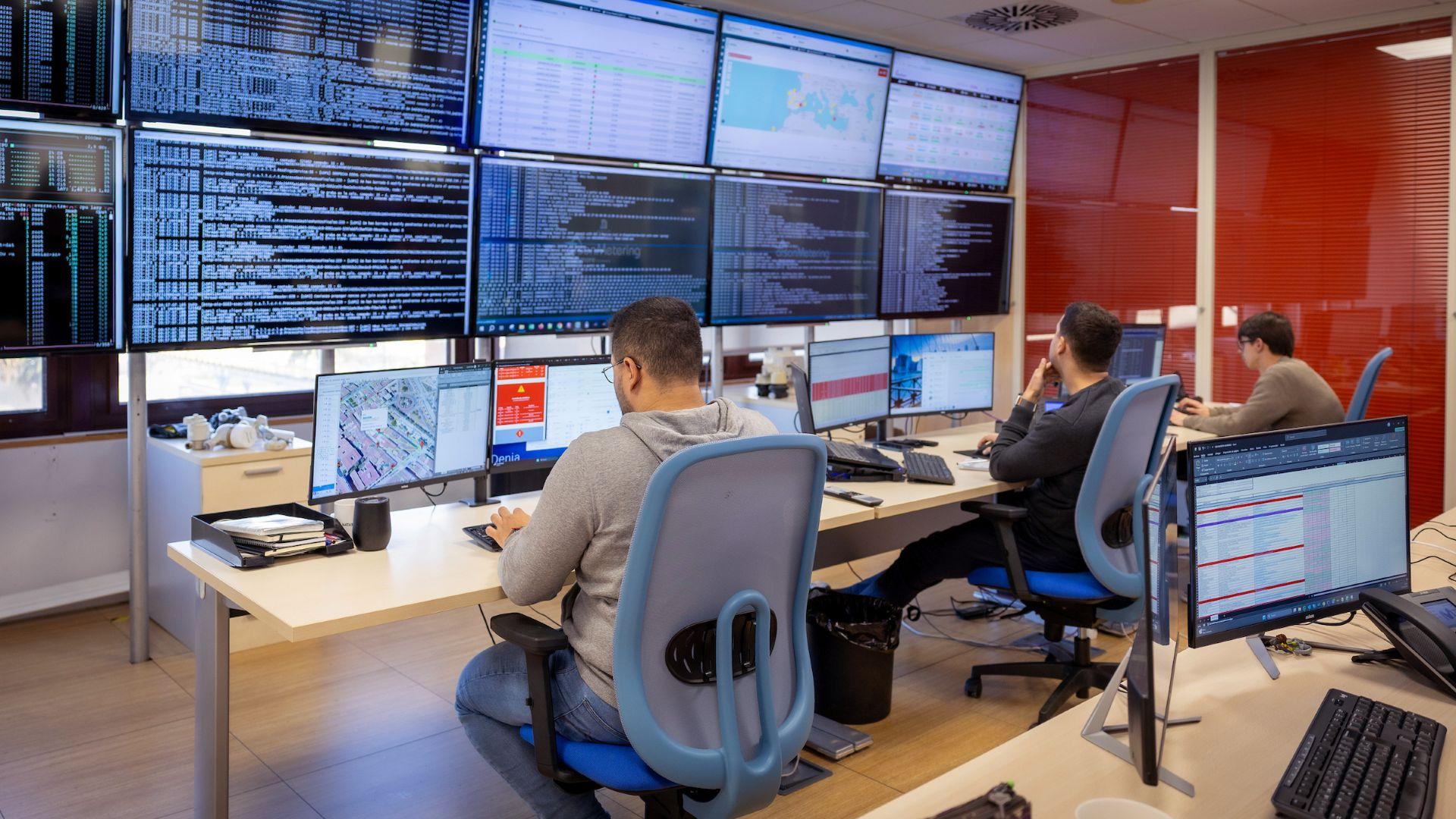
That’s where unified management comes in. Bringing access control, alarms, cameras, and intrusion detection into a single platform gives teams the ability to see the whole picture at once one interface, one source of truth.
It’s about replacing complexity with clarity. Instead of juggling multiple dashboards and logins, operators can monitor every site from one central point, gaining the situational awareness needed to make fast, confident decisions.

The impact is immediate and measurable:
- Faster response: no switching screens. No second-guessing. Teams can detect, assess, and act on threats the moment they appear.
- Operational efficiency: less time managing systems. More time managing outcomes. Automation and interoperability free staff from repetitive tasks and help them focus on what matters most.
- Simplified compliance: automated reporting and full traceability make audits smoother, documentation easier, and oversight more transparent.
- Continuity: a safer, smoother, more predictable operation that helps protect infrastructure and supports uninterrupted service.
Unified control also creates a foundation for innovation. With integrated systems, utilities can leverage analytics, AI, and predictive maintenance tools to anticipate issues before they escalate, turning data into foresight and foresight into resilience. The move from fragmented systems to unified management isn’t just a technical upgrade; it’s a strategic shift toward smarter, more sustainable operations that evolve with the threats they face.
The value: partnership built on understanding
Absolute security starts with understanding. Water utilities operate at the intersection of technology, regulation, and public trust, where reliability isn’t optional and precision leaves no room for error. Every decision made has a direct impact on safety, compliance, and the confidence of the communities they serve.
A total solution isn’t just convenient; it’s the foundation for smarter, safer, and more sustainable operations built on efficiency and trust
That’s why expertise matters as much as equipment. Designing secure, efficient operations requires more than just a product; it takes a partnership. A true partnership goes beyond supplying technology; it means understanding the environment in which it will live, the people who will use it, and the challenges they face every day. It starts with listening, planning together, and developing solutions that reflect reality on site, not just theory on paper. Because no two facilities are the same, and no two risks are identical.
Every successful project begins with a conversation. From consultation and design to installation and long-term support, each step is about turning complexity into clarity and data into confidence. Collaboration ensures that systems are not only robust but also adaptable, capable of evolving as technology advances and threats change.

Behind the scenes, ALCEA and ASSA ABLOY bring decades of experience in securing critical infrastructure. Their combined expertise in access management, integration, and physical security helps utilities achieve a higher standard of resilience; one built on trust, transparency, and long-term collaboration.
But real success isn’t measured by technology alone. It’s measured by peace of mind, the confidence that every process and every site is protected. It’s when water companies can focus on what matters most: delivering trust, one drop at a time.
Building trust for a sustainable future
Water is essential, and so is the responsibility that comes with managing it. Clean water, effective treatment, and environmental protection are the foundations of a sustainable future. For water utilities, that means securing every part of the network while delivering uninterrupted service to the communities that rely on it.
Every project begins with a conversation, understanding how to make daily operations safer, simpler, and more seamlessly connected
By connecting systems, people, and data, water companies can strengthen both security and sustainability, protecting the flow today and for generations to come. Unified control enables smarter energy use, reduces waste, and supports predictive maintenance, ensuring that assets last longer and resources are used more efficiently. When operations are transparent and traceable, environmental responsibility and operational resilience go hand in hand.
Behind every resilient network is collaboration. It’s built by those who design it, manage it, and protect it together. Engineers, operators, and technology partners each play a vital role in creating systems that are not only secure but adaptable, ready to meet the challenges of a changing world.
When we work in step, we don’t just make infrastructure smarter. We make it stronger. Together, we can ensure that every decision taken today contributes to a safer, cleaner, and more sustainable tomorrow.
Let’s keep the water industry moving forward, secure, connected, and uninterrupted, together.