Water infrastructure has always been critical. What's changed is the threat, and who's responsible for the response.
For years, "security" in the water sector meant fences, badges, and locked doors. Physical barriers to keep the wrong people out. That model worked when infrastructure was analog and isolated.
It doesn't anymore.
Security doesn't protect your infrastructure; security is your infrastructure
The attack surface has grown
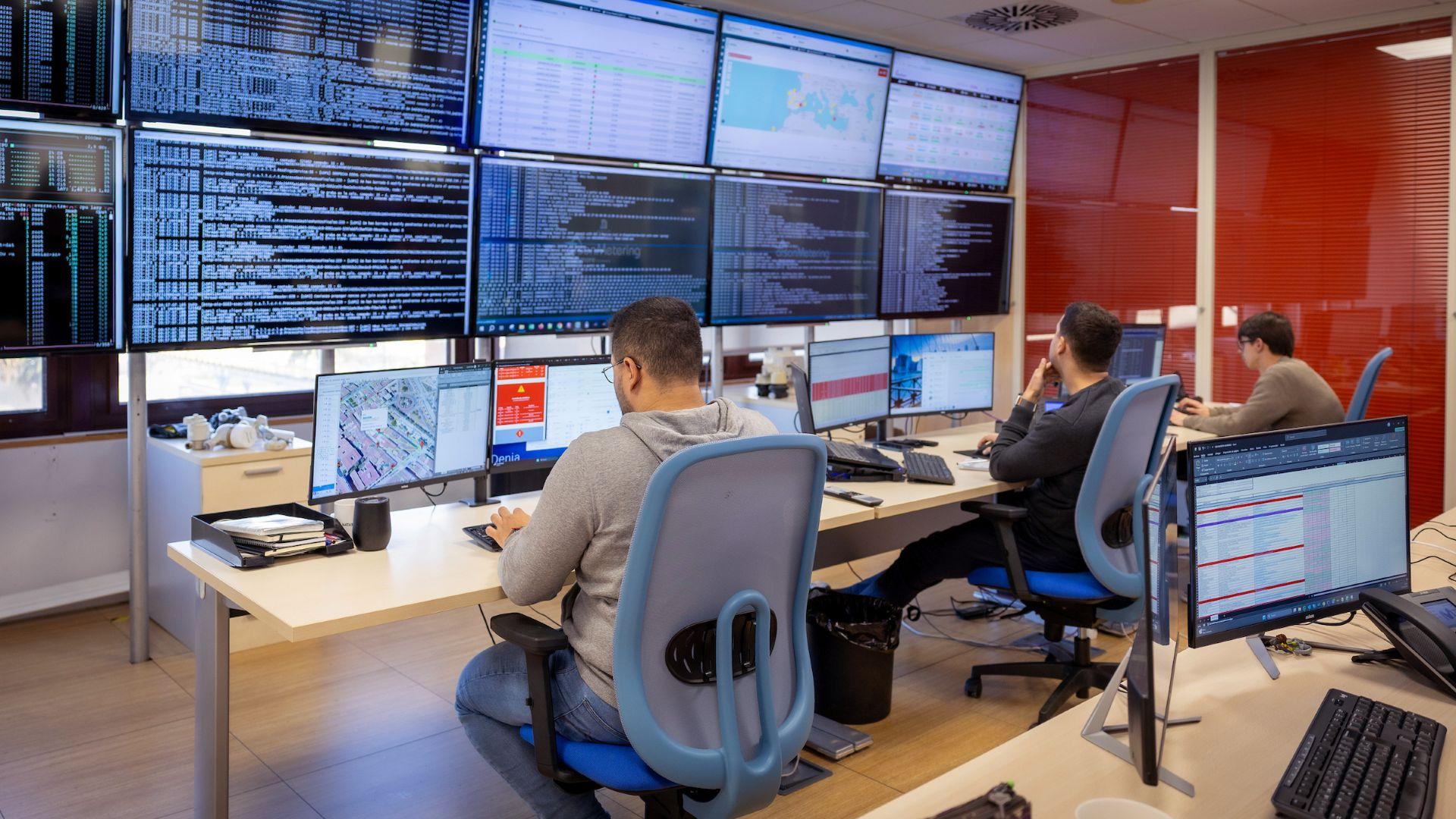
Today's water utilities operate across dozens – sometimes hundreds – of interconnected sites. Pumping stations, treatment plants, reservoirs, distribution networks. Each one connected. Each one a potential entry point.
Cyber intrusions targeting water systems are no longer rare events. They’re documented, increasing, and often targeted. In several high-profile incidents, attackers accessed chemical dosing systems remotely, not through sophisticated hacking, but through poor access controls and unmonitored credentials.
The infrastructure hasn't become less secure. It's become more exposed.
This is now a boardroom issue
When a water system is compromised, the consequences don't stay in the operations room. They reach public health departments, regulators, government ministers – and the news.
That's why security can no longer sit with the IT team alone. Boards and executive leadership need to understand their infrastructure risk the same way they understand financial or operational risk. Not every technical detail – but the exposure, the accountability, and the consequences of getting it wrong.
Regulators are already moving in this direction. The EU's NIS2 Directive now places direct legal accountability on senior management for cybersecurity failures in critical infrastructure, including water utilities.
Security as infrastructure, not as add-on
The most resilient utilities aren't the ones with the most security products. They're the ones that built security into their infrastructure from the start, as an integrated layer, not an afterthought.
That means unified visibility across physical and digital access. It means knowing who is in your sites, when, and why. It means being able to respond to an incident in minutes, not hours.
Security doesn't protect your infrastructure. Security is your infrastructure.
Next in the series: Regulation is tightening fast – and executive accountability is now explicit. Article 2 explores what the new regulatory landscape means for water utility leaders, and what it demands from them personally.
ALCEA works with water utilities and critical infrastructure operators to build security that works as one – every layer connected, every site covered. Explore our total solution at alceaglobal.com.