In the global water sector, efficient motion control is no longer optional — it is a foundational requirement for operational and environmental performance. WEG’s drive portfolio, including low- and medium-voltage variable frequency drives (VFDs), is designed to meet the demands of water, wastewater, and desalination systems.
Water infrastructure faces growing pressure to improve efficiency, reduce costs, and comply with sustainability targets. Energy represents one of their largest expenses, particularly in pumping, aeration, and membrane filtration. In this context, variable frequency drives (VFDs) have become a key technology, enabling precise motor control and real-time adaptation to fluctuating system demands. Their use not only lowers energy consumption but also improves reliability, process flexibility, and equipment longevity.
Drives are a key enabler of smart water networks, continuously adjusting pump speed to match real-time flow and pressure demand
A variable frequency drive is an electronic device that regulates motor speed and torque by adjusting frequency and voltage. In water systems, this allows pumps and other motor-driven components to operate only when needed, minimising wear, energy use, and water waste. VFDs also ensure smoother starts and stops, better process control, and improved system stability.
At WEG, these principles are embodied in a comprehensive and adaptable portfolio of drive solutions.

Versatile drive solutions as the backbone of water efficiency
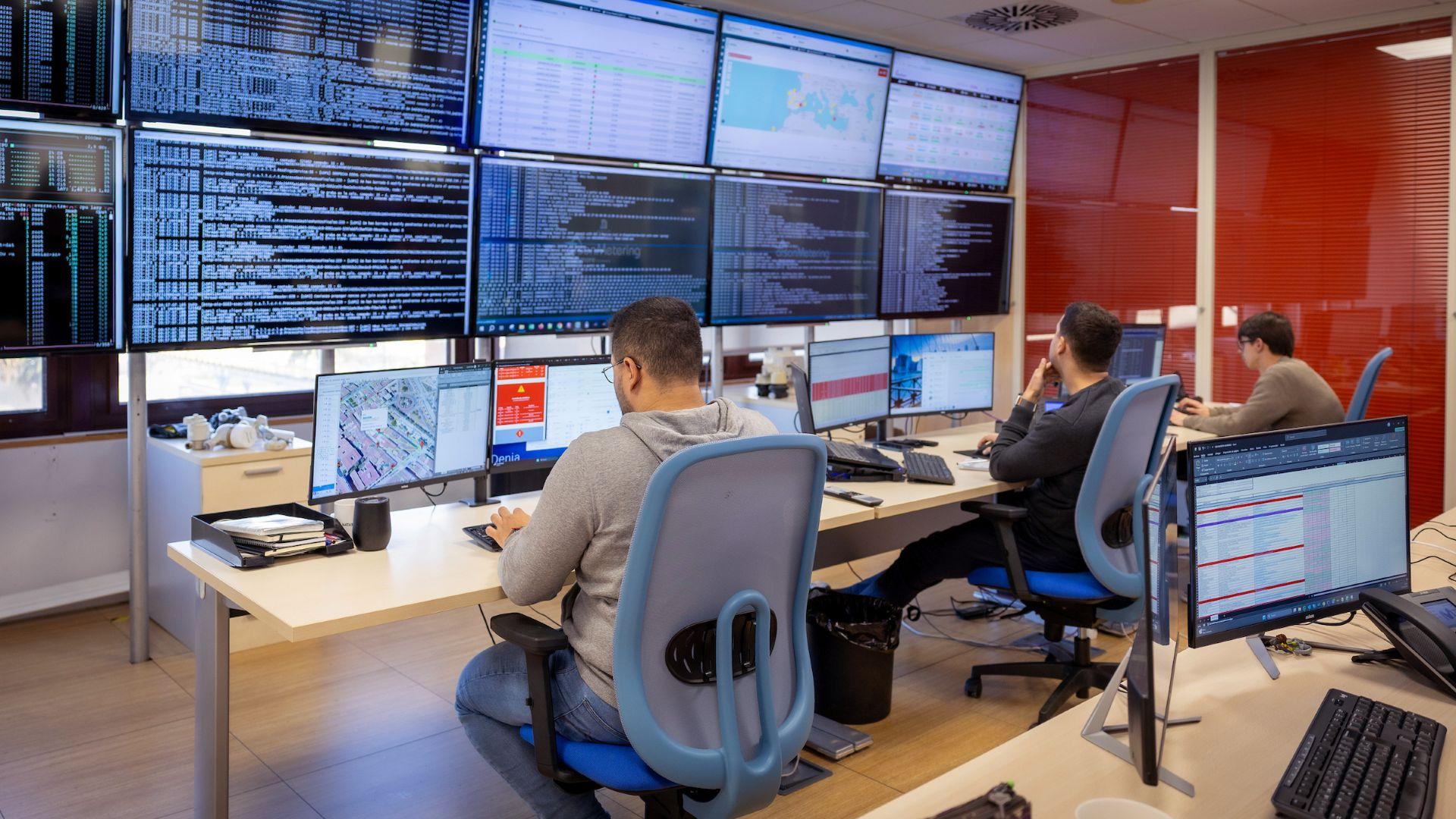
Advanced diagnostics in VFDs detect anomalies early, helping utilities prevent faults and avoid costly unplanned shutdowns
WEG offers a broad portfolio of variable frequency drives and motor-drive packages designed to meet the full spectrum of water-sector needs — from compact booster stations to large desalination or wastewater treatment plants. Each solution can be adapted to site-specific requirements such as supply voltage, ambient conditions, enclosure protection, and preferred communication protocols, ensuring optimal performance and reliability in every environment.
A key strength of WEG’s drive architecture is its modular design philosophy. The drives are engineered in configurable building blocks that simplify installation, streamline maintenance, and make future expansion straightforward. This modularity allows plant operators to scale capacity or reconfigure systems as demand evolves — without the need for a complete infrastructure replacement.
Beyond the hardware, WEG integrates advanced control and diagnostic capabilities directly into the drives. Real-time monitoring, intelligent fault detection, and seamless connectivity with SCADA and IoT platforms empower operators to optimise energy use, anticipate maintenance needs, and safeguard continuous operation. In modern water systems, this intelligence transforms the drive from a simple speed controller into a central element of efficiency and operational resilience.
Among the quantifiable benefits of these solutions are typical energy savings of up to 20% and a significant reduction in maintenance costs. In many cases, the payback period for VFD installations ranges between 2 and 5 years, depending on load profile and electricity costs.
Enhancing efficiency in pumping, treatment and desalination systems
Pumping stations, treatment facilities, and desalination plants all face high energy demands and dynamic hydraulic conditions. VFDs offer a powerful solution by precisely adapting motor speed to real-time requirements, reducing energy waste and mechanical stress across a wide range of applications.
In pumping stations, where energy consumption can exceed 50% of total operational costs, VFDs avoid inefficiencies caused by constant-speed operation. By modulating pump performance based on flow and head demand, they prevent oversizing, cycling, pressure surges, and water hammer. More advanced schemes, such as cascade or parallel pumping, allow multiple units to operate at optimal efficiency points throughout the day.
By stabilising pressure and reducing hydraulic stress, VFDs help lower water losses and protect pipeline integrity across the network
In water and wastewater treatment, as well as desalination plants, VFDs control blowers, mixers, dosing pumps, sludge systems, and high-pressure reverse osmosis (RO) units. They ensure smoother system startup, reduce hydraulic shock, and extend equipment life — especially in membrane-based processes. VFDs also optimise differential pressure in RO systems and align pump schedules with energy availability in hybrid (grid + renewable) power configurations.
By integrating with SCADA and IoT platforms, WEG’s drives enable predictive control, fault prevention, and plant-wide energy optimisation. This intelligence transforms conventional pumping and treatment infrastructure into adaptable, resilient systems aligned with modern efficiency and sustainability goals.

Retrofitting and digital modernisation of legacy systems
Retrofitting legacy systems with VFDs can reduce energy use by up to 20%, improving efficiency without requiring full replacements
One of the greatest challenges in the water industry is the modernisation of ageing infrastructure. Many facilities still rely on fixed-speed motors and outdated control systems, leading to high energy costs and limited operational flexibility. Retrofitting these systems with variable frequency drives provides an immediate upgrade in performance, often without the need for full equipment replacement. By integrating VFDs with digital monitoring and control platforms, legacy systems can be transformed into smart, data-driven assets. This transition not only reduces energy consumption and wear but also brings these installations in line with modern standards of efficiency, automation, and remote management.
WEG not only supplies advanced hardware, but also enables digital integration through artificial intelligence (AI), machine learning, and connectivity with IoT platforms. These capabilities support predictive monitoring, demand forecasting, and real-time optimisation.
Case studies: real impact, real savings
Rabigh 3 and Rabigh 4 Desalination Plants, Saudi Arabia
At Rabigh 3, WEG delivered a complete solution of motors and medium-voltage drives. The drives are tasked with controlling the full chain from seawater intake to brine discharge, optimising flows across varying demand profiles and load conditions. The result: one of the lowest energy footprints per volume of produced water worldwide, a benchmark for large desalination facilities. This success was replicated at Rabigh 4, where WEG supplied 18 MVW3000G2 drives and 16 W60 motors ranging from 2.6 MW to 6.5 MW, continuing our contribution to the Saudi water infrastructure with a fully integrated high-performance drive system.
Ras Al Khair to Riyadh Water Transmission System
This large-scale transmission project spans 391 km of pipeline and delivers 1.2 million m³/day of potable water across the region. WEG’s scope included 30 water-cooled MVW01 drives (4160 V, 50°C), 30 W60 motors, and 10 standalone 1.7 MW motors (13.8 kV). The integrated high-power drive systems ensure efficient long-distance water transport under extreme ambient conditions, representing a milestone in high-capacity infrastructure for the Saudi Water Authority.
Canoas Lift Station, Bogotá, Colombia
The Canoas Lift Station handles over 6.4 m³/s of sewage, pumping it a vertical height of 51.6 metres. WEG provided a complete turnkey solution, including a 115 kV substation, vertical motors, and optimally matched variable frequency drives. The VFDs ensure reliable start and stop even under extreme hydraulic loads, enable smooth speed transitions, and continuously monitor operational parameters to support predictive maintenance and maximise system availability.
Cúcuta Metropolitan Aqueduct, Colombia
As part of the aqueduct’s expansion program, WEG supplied medium-voltage W60 motors (1,575 HP, 6.6 kV) and MVW3000 drives. The drives helped optimise pumping schedules and reduce line losses. Operators observed a smoother load management curve and reduced margin losses, enhancing hydraulic resilience under population growth pressure.

Operational advantages and lifecycle cost reductions
AI-powered with digital integration supports predictive control, energy savings, and smarter operation across water facilities
Energy savings are just the starting point. VFD-enabled systems reduce mechanical and thermal stress, improving the lifespan of bearings, couplings, shafts, and gaskets. The smoother ramp-up and deceleration avoid current spikes and mitigate harmonics, lowering electrical stress.
Furthermore, built-in diagnostics can flag anomalies (vibration, over-temperature, phase imbalance) before they escalate. This predictive insight reduces unplanned shutdowns and drives maintenance toward condition-based servicing rather than scheduled overhaul.
The net effect: lower total cost of ownership (TCO), higher availability, and better return on investment (ROI). Over a multi-year horizon, the payback period for a VFD installation in a water plant often falls within 2 to 5 years, depending on load profile and electricity cost.
The broader impact: energy, water and sustainability
By optimising the energy consumption in water systems, VFDs contribute to lower greenhouse gas emissions and support corporate and municipal decarbonization targets. In regions where energy is largely generated from fossil fuels, each kWh saved directly reduces the carbon footprint of water operations.
Additionally, more efficient pumping means less pressure drop and leak stress, which can reduce water losses in distribution networks. VFDs thus contribute indirectly to reducing non-revenue water (NRW). In an era when every litre counts, optimised energy and hydraulic control become vital tools in water conservation.
Looking ahead: digital integration and Smart Water grids

As water systems evolve into smart grids, drives must go beyond motion control — they must communicate, predict, and adapt. WEG is leading this shift by embedding AI and machine learning into its solutions, enabling real-time optimisation and demand forecasting.
Future drives will integrate seamlessly with IoT, edge computing, and cloud platforms, allowing water facilities to proactively optimise energy use, reliability, and cost.
VFDs are not just improving operations — they are reshaping water infrastructure into smarter, more sustainable systems. For WEG, this evolution reflects a lasting commitment to innovation, efficiency, and resilience.