
Dear reader,
A year ago, in the last issue we devoted to digitalisation, I wrote that digital just works. It does. Sensors report, networks transmit, models forecast. Nobody reading these pages needs convincing any more.
This issue asks a less comfortable question: why does so much of it still never make it past the pilot?
The answer that runs through almost every page has little to do with technology. It comes down to two things: who pays for the digital layer in its second year, and who, inside each organisation, works differently when the data arrives.
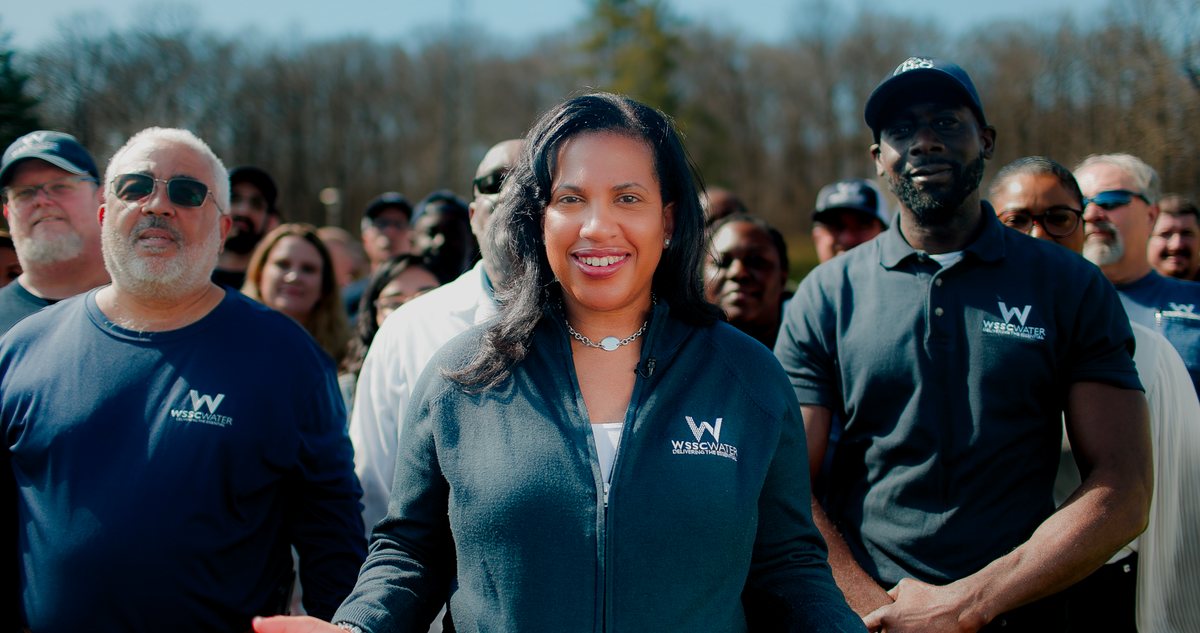
Our cover interview with Kishia L. Powell, General Manager and CEO of WSSC Water, starts exactly there. Having led utilities in Atlanta, Baltimore and Jackson, she has learned, sometimes the hard way, that transformation is about people, processes and preparedness before it is about platforms. Her case for smart metering goes well beyond leak alerts: it takes meter readers out of one of the most hazardous jobs in the utility and gives them somewhere to grow. And she draws a line every supplier should read twice: a vendor sells a product; a partner helps solve a problem.
It comes down to two things: who pays for the digital layer in its second year, and who, inside each organisation, works differently when the data arrives
Others take the argument further. Amit Vaidya (Xylem Vue) names the hardest step in digitalisation as the one from promising pilot to daily routine. At Ofwat, Louise Blais chose to set out expectations for AI before the rules were settled, with human oversight built in from the start. John Hammond (USGS) shows what it looks like when it works: drought forecasts weeks ahead, published with their uncertainty. Kaveh Madani and Margaret Cook turn the question around: AI is also a new and thirsty water user, and utilities belong at the table where it is planned.
The features show the sector doing the work. Diehl Metering helped GAIA move from periodic to continuous monitoring, Kallipr helped Bellevue replace an inherited maintenance schedule with a measured one, and Aganova turns hidden leaks into water that can be verified. Netmore treats connectivity as the foundation it is. KISTERS and Adasa turn raw signals into data that can be trusted, while HMS Networks, Badger Meter and RSE design security in from day one. Hidroconta asks the question every large rollout should ask: what exactly will we do with all that data?
The good news is that none of this needs a breakthrough. It needs decisions: budgets that outlast a pilot, roles designed around data, partners who stay.
The technology has kept its promise. Now it’s our turn.
More opinion