In an era where water scarcity looms as one of humanity's greatest challenges, the Asia-Pacific (APAC) region faces an evolving crisis. Home to some of the most water-scarce areas globally, over 2.6 billion people now face difficulties accessing potable water sources–more than double the number from 1975 (Managing water scarcity in Asia and the Pacific - A summary, FAO 2023). With rising demand, dwindling resources, and climate volatility, sustainable seawater desalination is no longer a backup plan — it’s a vital part of water security.
At the forefront of this water revolution stands Veolia, a leading desalination service provider capable of delivering 6.75 million m3 of desalinated water worldwide daily through advanced membrane technology. The company’s innovations are transforming long-held perceptions of desalination as energy-intensive and environmentally taxing — and proving that sustainable, cost-effective alternatives are possible at scale.
Veolia can design, build, and operate a Seawater Reverse Osmosis plant, achieving less than 3 kWh/m3 specific energy consumption
Currently, Veolia can design, build, and operate a Seawater Reverse Osmosis plant, achieving less than 3 kWh/m3 specific energy consumption. Here’s how Veolia addresses the environmental and economic stakes and pushes boundaries toward greener and more affordable desalination solutions.
Designing for minimal environmental impact
Environmental protection begins with a comprehensive Environmental Impact Assessment (EIA), which forms the foundation of Veolia's sustainable desalination approach. The EIA process ensures the protection of biodiversity and natural resources by evaluating ecosystem impacts, while maintaining transparency and public participation in development decisions to prevent irreversible environmental damage and social conflict.
This environmental commitment is demonstrated through innovative subsurface intake systems utilising engineered screens and cleaning technologies, which maximise seawater harvesting efficiency. These systems serve as natural filters, preventing large floating objects from entering and reducing marine life mortality by up to 100%.

Improving energy efficiency in every drop
Energy optimisation is central to making desalination both sustainable and cost-effective. According to industry data, energy typically accounts for approximately 45% of operational costs in desalinated water production. This significant cost factor makes energy efficiency optimisation paramount for both ecological and financial sustainability.
Smarter membranes, lower costs
That said, energy efficiency is only part of the equation. The membranes themselves are just as critical to reducing cost and consumption. The latest membrane technologies contribute to cost reduction through several mechanisms: high-permeability designs that require less energy for water passage, enhanced surface characteristics that minimise fouling, and improved durability that extends operational lifespan. These advanced membranes can achieve 10-15% energy savings compared to conventional options.
Our environmental commitment is demonstrated through innovative subsurface intake systems that maximise seawater harvesting efficiency
Through Veolia's dedicated centre of expertise, ARAMIS, the company conducts comprehensive assessments of available membrane technologies, ensuring optimal selection for specific geographic conditions independent of manufacturers. This strategic approach combines cutting-edge membrane innovations with smart monitoring systems to maximise cost efficiency.
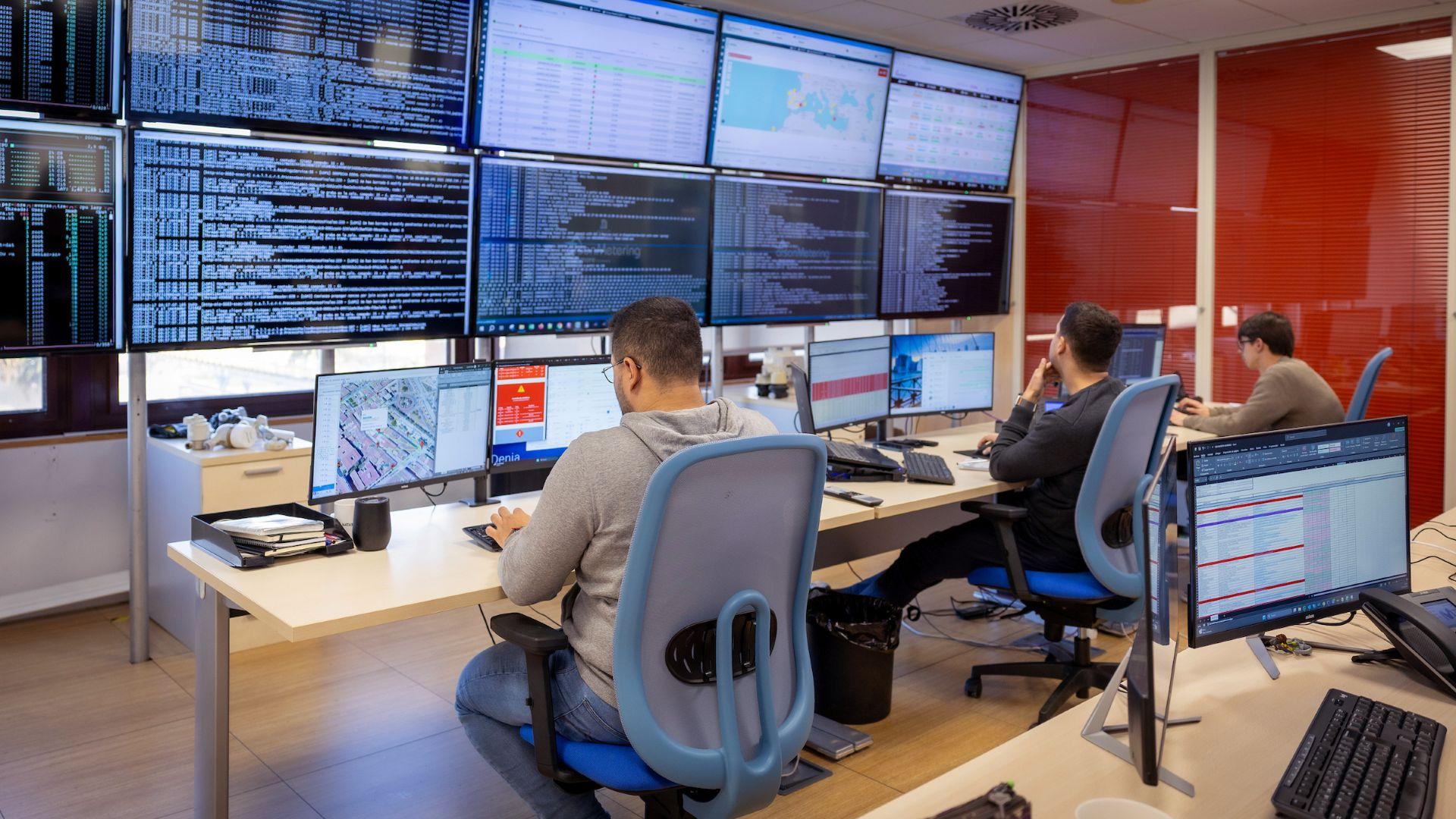
Veolia's integration of digital solutions, through its Hubgrade platform, takes membrane optimisation to the next level. AI-driven monitoring systems provide real-time status updates and predictive maintenance insights, enabling operators to make data-driven decisions about equipment replacement and maintenance schedules. This smart approach to membrane management not only extends membrane life but also ensures optimal performance while minimising energy consumption and operational costs (reduced cleaning).
Capturing energy to lower costs and emissions
Energy recovery systems are a key enabler of more sustainable desalination operations. In the pre-treatment stage, seawater undergoes clarification and filtration to remove suspended solids, sediment, and other particles using Veolia's conventional and membrane-based filtration technologies. These systems, coupled with energy recovery devices, reduce overall power consumption and the need for traditional chemicals.
Advanced membranes are critical to reducing cost and consumption, achieving 10-15% energy savings compared to conventional options
Following pre-treatment, the filtered seawater is fed at high pressure to the membrane process — typically involving Seawater Reverse Osmosis (SWRO), or Brackish Water Reverse Osmosis (BWRO), or a combination of both, depending on site-specific needs. It is during the SWRO stage that energy recovery plays its most significant role.
Pressure exchangers capture energy from the high-pressure brine stream and transfer it to the incoming feedwater, substantially lowering energy demands. This approach has proven to be highly effective, with Veolia-managed desalination plants in Australia demonstrating energy recovery rates of up to 97% from brine flow.

Stabilising water quality for safe use
AI-driven monitoring systems to support membrane management not only extend membrane life but also ensure optimal performance
Building on the efficiencies achieved during energy recovery, effective post-treatment is equally critical to ensure the safety and usability of desalinated water. pH is adjusted and minerals are added to stabilise the desalinated water and make it non-corrosive, improving the Langelier Saturation Index (LSI) for industrial and/or potable use. Remineralisation processes and residual chlorine maintenance vary globally, depending on client requirements and local chemical availability. Common methods include the injection of carbon dioxide and the use of calcium-based salts, such as lime or calcite, which neutralise pH and increase water hardness to minimise corrosiveness.
Veolia’s extensive expertise in large-scale desalination—encompassing both pre- and post-treatment stages—has enabled a 35% reduction in reverse osmosis energy consumption in just 10 years.
Pairing AI and renewables for next-gen desalination
Desalination is evolving — and Veolia is leading the charge. The integration of artificial intelligence (AI) and renewable energy technologies is transforming seawater desalination from an energy-intensive process into a more sustainable, cost-effective solution.

Digitalisation through AI enables three key improvements: scalable systems that adapt to changing seawater conditions through advanced sensors and analysis software; predictive maintenance capabilities that identify potential issues before they cause unplanned downtime. This technological integration has shown concrete results, as demonstrated at Veolia's Gold Coast SWRO plant, which achieved a documented 1.1% improvement in energy efficiency over its baseline operations.
During the SWRO stage, pressure exchangers capture energy from the brine stream and transfer it to the incoming feedwater, lowering energy demands
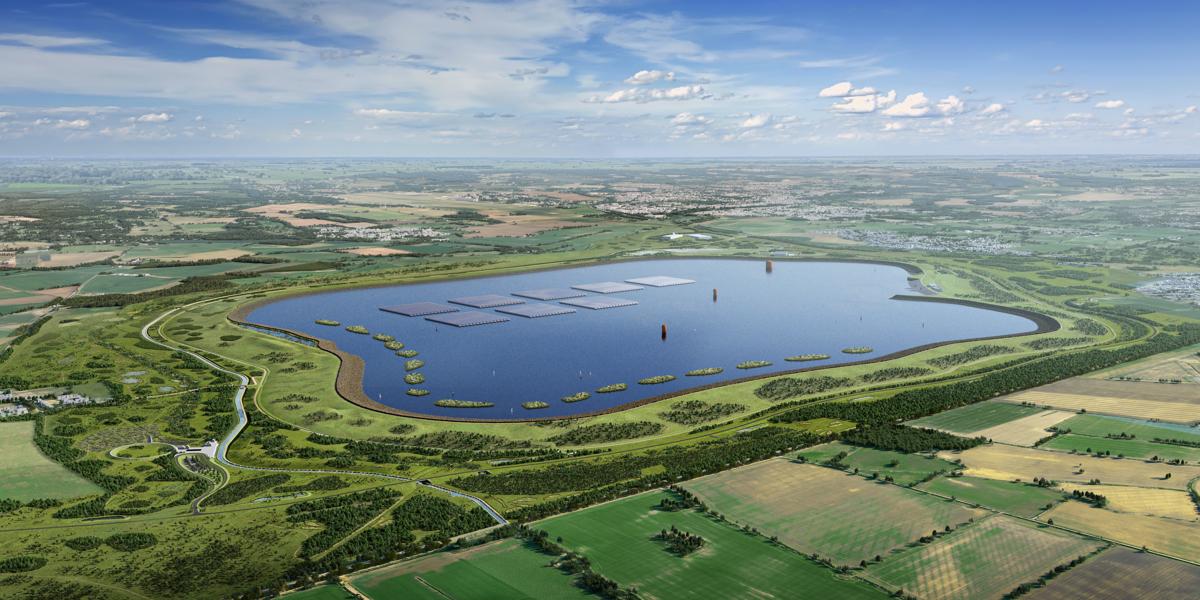
Renewable energy integration has become equally crucial in modern desalination operations, significantly reducing the carbon footprint by eliminating dependence on fossil fuels. A prime example is Veolia's Kurnell SWRO plant, which operates on 100% renewable electricity and has achieved near-zero carbon emissions during peak solar hours. The combination of AI optimisation and renewable energy integration is not just improving operational efficiency; it's making sustainable desalination more accessible and economically viable across diverse global markets.
The numbers tell a compelling story: reduced energy consumption, lower operational costs, and minimal environmental impact are making desalination an increasingly attractive solution for water-stressed regions worldwide. This technological renaissance isn't just optimising operations; it's democratizing access to fresh water and writing a new chapter in humanity's quest for sustainable water solutions.

Shaping the future of sustainable water access
As global water scarcity intensifies, sustainable innovations in desalination technology are proving crucial for ensuring long-term drinking water security. These advancements are particularly vital in helping communities better cope with water shortages and extreme climate events. The integration of renewable energy, AI-driven operations, and advanced membrane technology is transforming desalination from an energy-intensive process into an environmentally conscious solution for water security.
At the forefront of this shift, Veolia is demonstrating that environmental sustainability and commercial viability can coexist successfully. By combining technological innovation with environmental stewardship, the company is contributing to long-term solutions that will serve communities for generations to come.