Built on technology, driven by purpose
We are pleased to present the September 2025 issue of Smart Water Magazine Print Edition, with a special focus on digitalisation — the transformative force shaping how water is managed, monitored, and delivered worldwide.
Cover story: “Our expansion relies on adapting to each market with product, technology and local partnerships” →
“Spreading the voice of wetlands requires us to explore new communication formats”

“In Texas, the Water Fund steers dollars to conservation, loss reduction, reuse, and new supply”

Towards greener and economical desalination solutions

Taiwan Water Week 2025: smart solutions and sustainability converge in Taipei

Spain’s water cycle digitalisation PERTE: a model for lower and middle-income countries

“The utility of the future will be smart, resilient, adaptive, and deeply engaged with the public”

Seeing the unseen: StormHarvester and Anglian Water advance proactive sewer management

“Ultimately, it’s about rebuilding trust — if technology helps, then it’s something to embrace”

“We’re committed to maximising the value of the technology we’ve developed at Thames Water”

Why plugging leaks is the key to securing clean water across Europe: a model for water security

“HMS provides a complete and global approach to industrial connectivity in the water sector”

Digital twins and AI: the future of efficiency and security in seawater desalination plants

“Hidroconta offers a complete ecosystem: from data collection to decision making”

Engineering sustainability: the eco-designed smart water meter ALTAIR V5

“Digitization isn’t new in hydrology. What’s new is how fast, open, and connected it’s becoming”

“MonoM integrates with many systems and technologies, offering independence – key to scalability”

The role of digitalisation in the face of the Valencia DANA

Cutting water costs with a digital twin for desalination
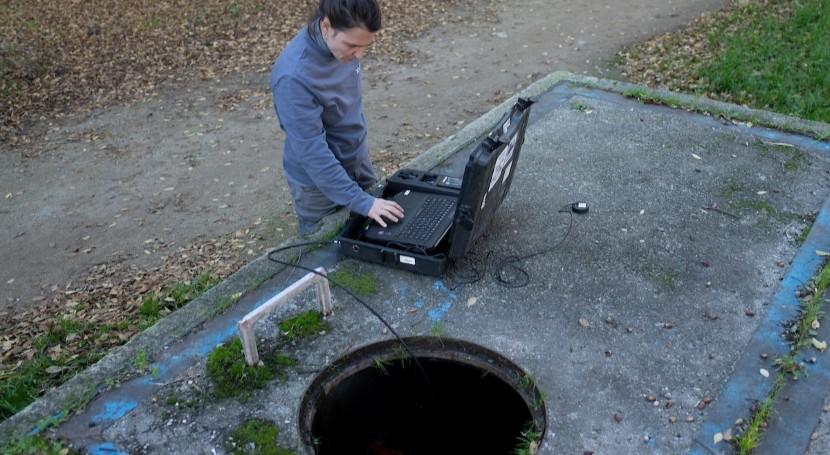
How AI can help water companies do more with less

Why boutique consultancies are leading the transformation in the water sector
How the EPA’s $30.7 million grant supports rural PFAS response
Harnessing AI, digital twins, and dynamic master planning to modernise water systems

The water industry embraces change with cautious optimism
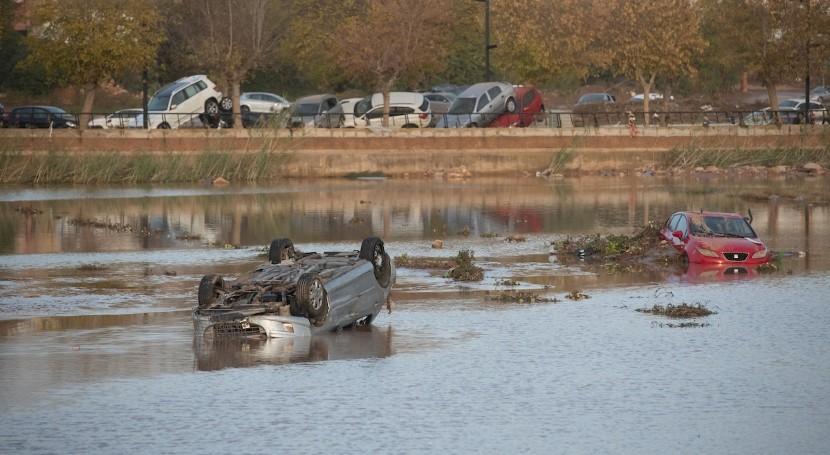
AI has won Nobel Prizes, but can it save lives and businesses with flash flood warnings?
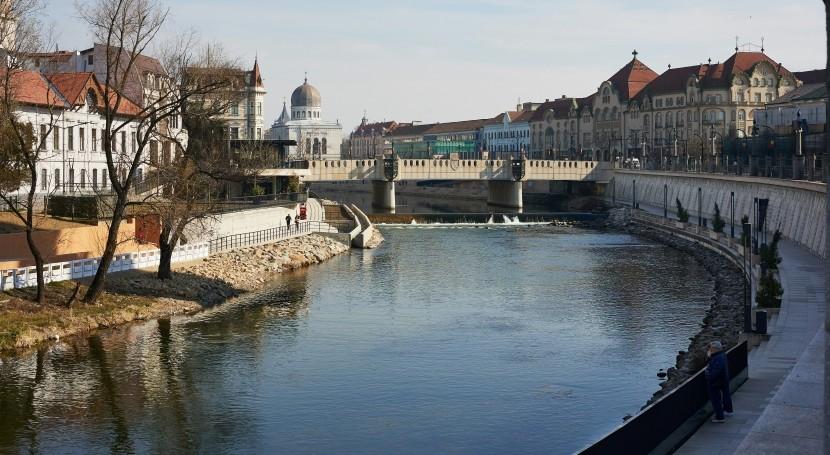
Securing Europe’s future: prioritising water resilience

Bridging the digital divide for a smart water future
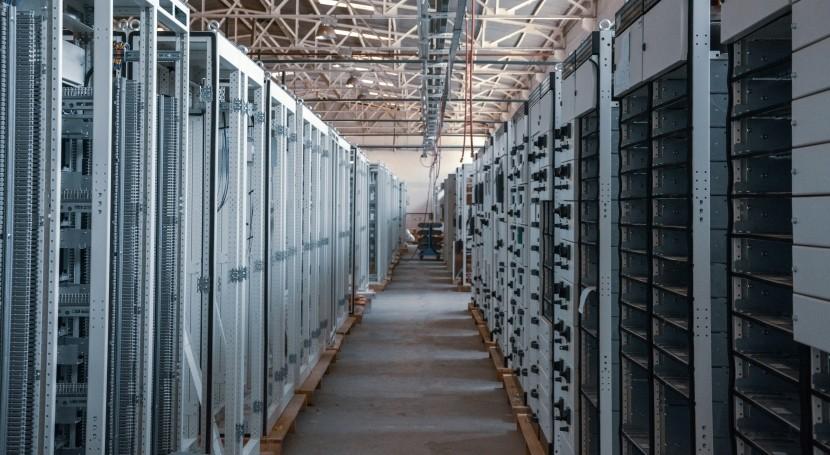
Prioritising planning to ensure a smooth rollout of data centres
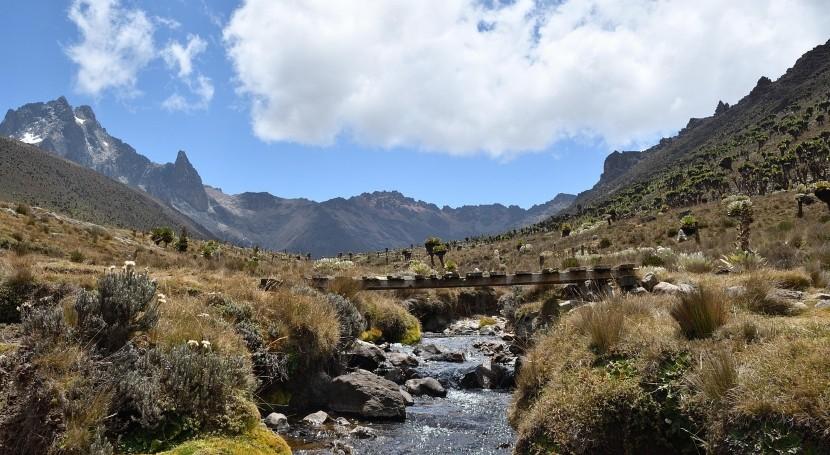
Kenya’s water future: the 2025 budget & FFD4’s call for sustainable finance
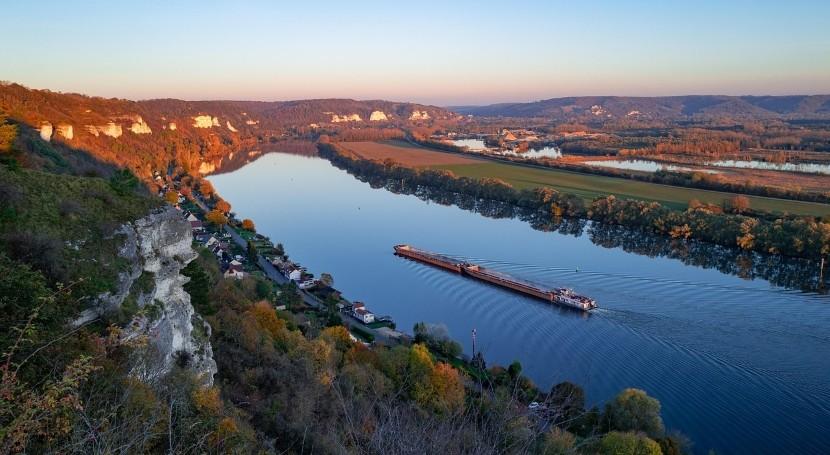
The EU has a plan to be water resilient – it’s time to back it with political will and funding

Big Tech’s thirst is reshaping water infrastructure — for better and worse
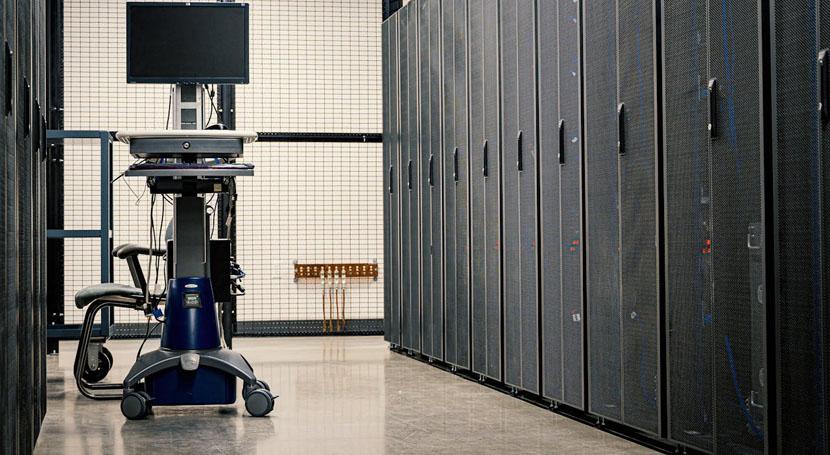
Balancing energy and water in direct-to-chip cooling system design for data centres

When digital just works
We are pleased to present the September 2025 issue of Smart Water Magazine Print Edition, with a special focus on digitalisation — the transformative force shaping how water is managed, monitored, and delivered worldwide.
This edition’s cover story features an exclusive interview with Dolores Herrán of Molecor, who explains how in-house technology and ESG strategy are guiding the company’s international expansion of PVC-O solutions. She reflects on the balance between innovation and sustainability, and on how Molecor’s approach is shaping the future of global water infrastructure.
We also bring exclusive interviews with leading voices who are shaping the sector’s digital future. Sergio Arróniz (Grupo Álava) explains how the MonoM platform equips utilities with the tools to improve efficiency, resilience, and sustainability. Klaus Kisters, CEO of KISTERS, reflects on six decades of hydrology and underscores the importance of trustworthy data. From HMS Networks, Xavier Cardeña highlights how connectivity and cybersecurity are helping utilities unlock scalable water solutions. And Alfonso Corbalán, CEO of Hidroconta, adds the perspective of a company integrating meters, connectivity, and platforms for global smart water projects.
Beyond the technology itself, we hear from leaders driving collaboration and new ways of working. At The Water Tower, Melissa Meeker reflects on three decades in the sector and explains how innovation campuses are shaping the future of utilities. Mark Cooper of Thames Water shares lessons from rolling out 1.2 million smart meters and the promise of NB-IoT for efficiency gains. Richard Warneford of Northumbrian Water describes how projects with drones and modelling are transforming water quality monitoring. And in Texas, Kevin Gast of VVater explains how modular treatment and reuse technologies can support the state’s multibillion-dollar investment in supply and conservation.
Our feature section highlights projects and technologies already making a difference. Siemens showcases how digital twin technology is driving efficiency across the desalination lifecycle, enabling predictive insights and smarter operations. Diehl Metering presents ALTAIR V5, an eco-designed smart meter built to meet decarbonisation goals. Tedagua also applies digital twins, combining them with AI, IoT, and cloud tools to optimise desalination in real time, strengthening efficiency, cybersecurity, and resilience. Aganova’s Nautilus system is supporting utilities in Dublin and Paris with AI-powered leak detection. And StormHarvester demonstrates how sewer sensors and AI can prevent blockages and reduce pollution.
At the same time, we spotlight the growing intersection between water and digital risk. A feature by Xylem Vue recounts how rapid deployment of digital tools supported Global Omnium after the devastating DANA in Valencia, Spain, improving emergency response and recovery.
Closing our features, three pieces look outward, linking local innovation to global lessons. The World Bank analyses Spain’s PERTE for the Digitalisation of the Water Cycle as a blueprint for lower- and middle-income countries. Taiwan Water Week 2025 previews how Taipei will become a hub for smart networks, net-zero strategies, and resilient water solutions. And Veolia shows how greener desalination—through membranes, AI, and renewables—is becoming a scalable, affordable reality.
Finally, our opinion section gathers leading experts from across the globe, offering diverse perspectives on resilience, financing, sustainability, and innovation. Their contributions reflect the urgency and breadth of the challenges ahead, and the creativity with which the sector is addressing them.
This issue highlights how digitalisation, alongside innovation and collaboration, is enabling companies and people to build a smarter, more resilient, and more connected water future.
Insights from water industry leaders
In this edition of Smart Water Magazine, nine professionals share their views on how digitalisation and innovation are reshaping the sector. From CEOs to programme directors, these interviews reflect diverse approaches to data, connectivity, and new technologies that are driving water utilities forward.
Dolores Herrán, Marketing and International Business Development Director, Molecor
Molecor’s growth reflects a balance between innovation and sustainability. Herrán explains how in-house technology and ESG strategy are driving international expansion of PVC-O solutions, ensuring durability, efficiency, and lower environmental impact as the company strengthens its presence in diverse global markets.

Sergio Arróniz, Director of Business Development, Grupo Álava
With MonoM, Grupo Álava is helping utilities move from raw data to actionable insights. Arróniz describes how the platform integrates multiple sources to support efficiency, resilience, and sustainability, giving decision-makers the tools to address complex water management challenges in real time.

Klaus Kisters, CEO, KISTERS
For Kisters, trustworthy data is the foundation of effective water management. Looking back on six decades in hydrology, he highlights how accurate information underpins climate resilience, guiding decisions on floods, droughts, and resources, and why utilities must invest in reliable monitoring systems.

Xavier Cardeña, Business Development Manager Water, HMS Networks
Industrial connectivity and cybersecurity are reshaping how utilities modernise their operations. Cardeña details how HMS Networks provides secure solutions that enable utilities to scale up smart water management, protect systems from threats, and unlock the benefits of connected, data-driven infrastructure.

Alfonso Corbalán, CEO, Hidroconta
At Hidroconta, innovation means uniting meters, connectivity, and platforms to deliver flexible water systems tailored to local needs. Corbalán shares how the company adapts its technology to diverse markets, ensuring secure solutions that support both efficiency and sustainable resource management worldwide.

Mark Cooper, Head of Smart Metering Programme, Thames Water
Rolling out 1.2 million smart meters has given Thames Water valuable lessons. Cooper shares insights into customer engagement, operational challenges, and how NB-IoT technology supports efficiency, helping the utility modernise infrastructure while preparing for growing demand in the Thames Valley.

Richard Warneford, Wastewater Director, Northumbrian Water
Drones, modelling, and new monitoring methods are transforming how Northumbrian Water oversees quality. Warneford explains how innovative projects strengthen oversight, generate faster data, and improve public trust, showing the potential of advanced tools to modernise wastewater management and environmental protection.

Melissa Meeker, CEO, The Water Tower
With more than three decades in public, private, and nonprofit roles, Meeker now leads The Water Tower in Georgia. She describes how the innovation campus fosters collaboration, pilots new technologies, and trains professionals, shaping the future of resilient, skilled utilities.

Kevin Gast, Chairman and CEO, VVater
Texas is investing billions to secure water for the future. Gast highlights how VVater’s modular treatment and reuse technologies can provide fast, scalable solutions, supporting state efforts in supply, conservation, and resilience while addressing urgent climate and population pressures.

Digital pathways to resilience
From digital twins in desalination to AI-powered leak detection and drone-based monitoring, this issue’s features spotlight how cutting-edge tools are reshaping water management. Together, they reveal how innovation and technology are driving smarter, more climate-resilient, and sustainable futures.
Siemens – Driving efficiency in desalination with digital twins
Siemens presents digital twin technology as a lifecycle tool for desalination, from design to operation. By enabling predictive modelling and optimised performance, it helps utilities reduce energy costs, extend asset life, and achieve more sustainable, efficient water production.

Xylem Vue – The role of digitalisation in the face of the Valencia DANA
When the Valencia DANA unleashed record-breaking rainfall, Xylem Vue supported Global Omnium with digital tools for monitoring, coordination, and recovery. The experience demonstrates how technology, data, and collaboration can strengthen emergency management under extreme climate stress.

Diehl Metering – ALTAIR V5: eco-design for smarter water management
The ALTAIR V5 meter is designed to combine sustainability and performance. Diehl Metering explains how eco-design, IoT integration, and durability reduce waste and support utilities as they balance decarbonisation goals with reliable service delivery in water-stressed regions worldwide.

Aganova – Bridging the digital divide for a smart water future
Aganova’s Nautilus system enables precise leak detection for utilities in cities like Dublin and Paris. Combining acoustic sensors with AI analysis, the approach helps reduce losses, preserve resources, and improve resilience as climate pressures intensify across Europe.

Tedagua – Digital twin and AI: the next frontier in desalination
Tedagua is advancing desalination with a digital twin that mirrors plant operations in real time. Combined with AI and IoT, the system enhances energy efficiency, cybersecurity, and predictive decision-making, setting a new standard for resilient, data-driven water infrastructure.

StormHarvester – Seeing the unseen: proactive sewer management
StormHarvester and Anglian Water deploy sewer sensors and AI to anticipate blockages before they cause floods or pollution. This proactive management approach reduces costs, safeguards communities, and illustrates how innovation can transform utility operations.

World Bank – Spain’s water cycle digitalisation PERTE: a model for LMICs
The World Bank analyses Spain’s Water PERTE, a comprehensive policy initiative to transform water management. Combining public-private financing, incentives, and digital tools, it provides lessons for lower- and middle-income countries pursuing systemic, technology-enabled sector reforms.

Taiwan Water Week – Smart solutions and sustainability converge in Taipei
Taiwan Water Week 2025 will gather international players to showcase smart networks, sustainability initiatives, and net-zero strategies. Positioned as a regional hub for collaboration, the event highlights Asia’s growing role in shaping innovative and resilient water management.

Veolia – Towards greener desalination solutions
Veolia showcases how sustainability can be embedded in desalination through advanced membranes, renewable energy, and AI optimisation. By lowering carbon intensity and operating costs, the company demonstrates that large-scale desalination can deliver secure water supplies while supporting climate goals.

Opinion: insights on resilience and innovation
In this edition of Smart Water Magazine, thirteen contributors—from CEOs and consultants to researchers and policy leaders—share their views on the issues shaping water today. Their articles span topics such as climate resilience, data, financing, regulation, AI, and sustainability. Together, they offer a wide spectrum of expertise and ideas to guide the sector through rapid change and growing challenges.
- Amir Cahn, Executive Director of SWAN Forum
- Steve Salvin, CEO and Founder of Aiimi
- Geoff Townsend, Industry Fellow, R&D, Ecolab
- Amber Walsh, Senior Analyst, Bluefield Research
- Christine Ow, Management Consultant, Arcadis U.S.
- Christos Charisiadis, Founder of Brine Consulting
- David Kempisty, VP of Technology and Director of Emerging Contaminants, Montrose Environmental Group
- Euphresia Luseka, Water Governance and Systems Strengthening Specialist, Co-Thematic Lead RWSN Leave-No-One-Behind Theme
- Pete Elliott, Senior Technical Staff Consultant, ChemTreat
- Auroop Ratan Ganguly, Professor, Northeastern University
- Satish Tripathi, Managing Engineer, City of Houston
- Sergiy Moroz, Policy Manager for Nature, European Environmental Bureau
- Ufuk Erdal, Water Reuse Global Practice and Solutions Director, Black & Veatch
